Written report
Floor plan with moisture readings and thermal images.
Moisture Mapping Meridian ID is the fastest way to find water you cannot see. We use thermal imaging cameras and moisture meters to trace leaks inside walls, under floors, and above ceilings. If you have a musty odor, a recent leak, or a home sale on the calendar, this service gives you answers the same day. We serve homeowners, renters, and property managers across Ada County.
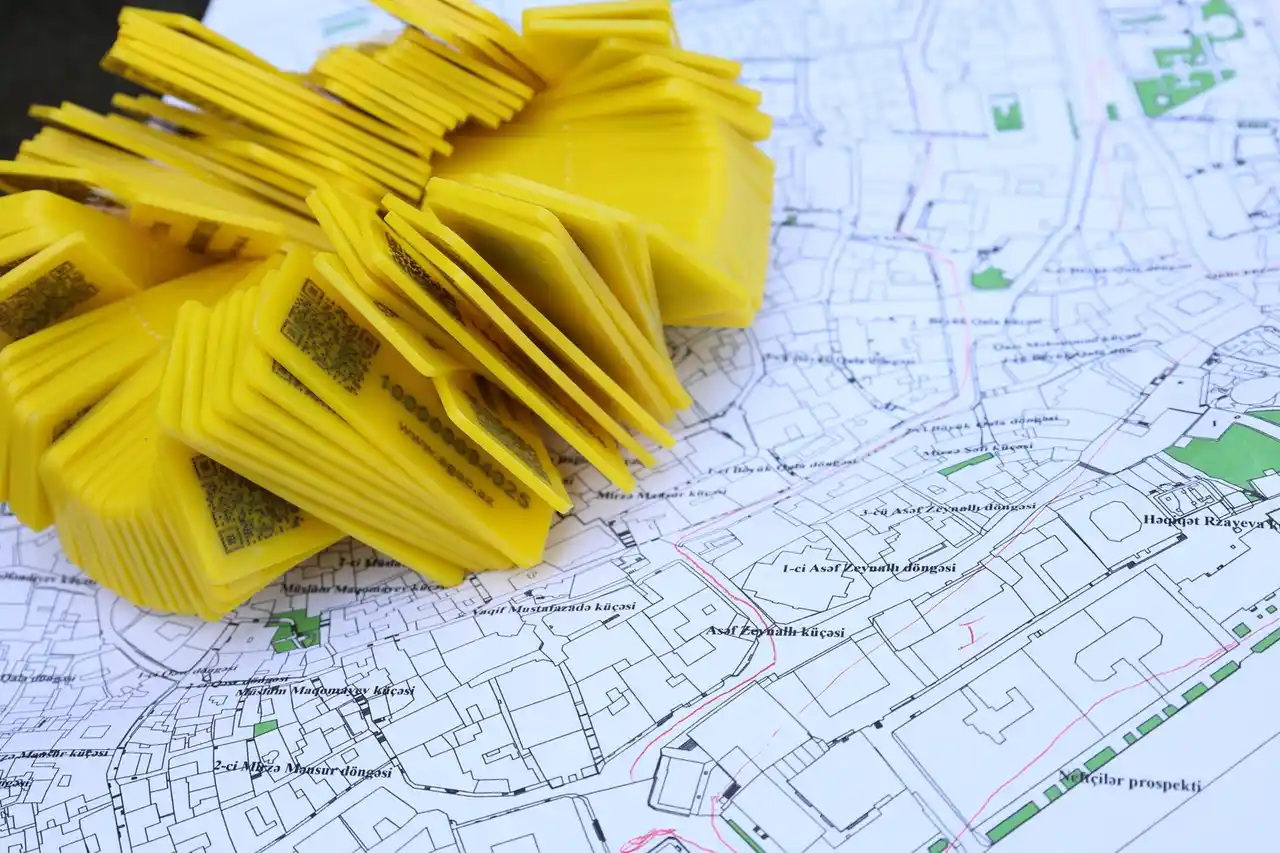
Every moisture mapping visit includes a visual walkthrough, meter readings, thermal imaging, and a written report. We can add mold sampling or air quality testing on the same visit if the readings call for it. Here is what you get.


We map moisture in houses, townhomes, and apartments across Meridian. You get readings, thermal images, and a written report you can act on.
We map moisture in commercial buildings, offices, and rental properties. You get documentation that supports repairs and insurance claims.
Moisture mapping is a room-by-room survey that measures water content in building materials and traces where it came from. We press a Delmhorst or Protimeter moisture meter against drywall, subfloor, and framing to get a percent reading. Then we scan the same area with a FLIR thermal imaging camera to see temperature differences that reveal hidden wet spots. Every reading gets marked on a floor plan so you can see the shape and size of the problem. No guesswork, no tearing out walls to look.
Meridian homes deal with two moisture patterns: winter condensation from tight building envelopes, and summer irrigation or plumbing leaks that soak subfloors and crawl spaces. We see it in Northwest Meridian ID where older crawl spaces hold humidity, and in newer builds where a slow supply-line drip runs behind cabinets for months. If you have been searching for moisture mapping near me Meridian, this is the service that answers whether that dark spot is active water or an old stain.
We measure, scan, and map so you can fix the water before mold starts.
Every job follows the same five steps. You get clear answers, a written report, and no surprise charges.

You call (208) 823 1178 or book online. We ask what you noticed, when it started, and whether there was a recent leak, flood, or plumbing repair. That conversation takes five minutes and lets us bring the right tools. Same-day moisture mapping Meridian appointments are often available.

A technician arrives with a moisture meter, thermal imaging camera, and hygrometer. We walk the space with you, listen to your concerns, and identify the areas that need the closest look. Expect 15 to 20 minutes for this first pass.

We take meter readings at multiple points and scan walls, ceilings, and floors with the thermal camera. Where we find elevated readings, we use a boroscope to look inside the cavity without cutting a large hole. Each reading is logged with its location.

We draw the moisture pattern on a floor plan and pair it with thermal images and percent readings. The report explains what is wet, how wet, and the likely source. You get a digital copy the same day.
Before we leave, we walk you through the map and explain what it means. If mold sampling makes sense, we can collect air or surface samples on the spot. If the fix is a plumbing repair, we tell you what to show your contractor.

Measures percent moisture content in drywall, wood, and flooring. We use it to get exact readings at each test point.

A second meter brand we use for cross-checking readings. It helps confirm elevated moisture in different materials.
Shows temperature differences that reveal hidden moisture. We use it to scan walls, ceilings, and floors without cutting holes.
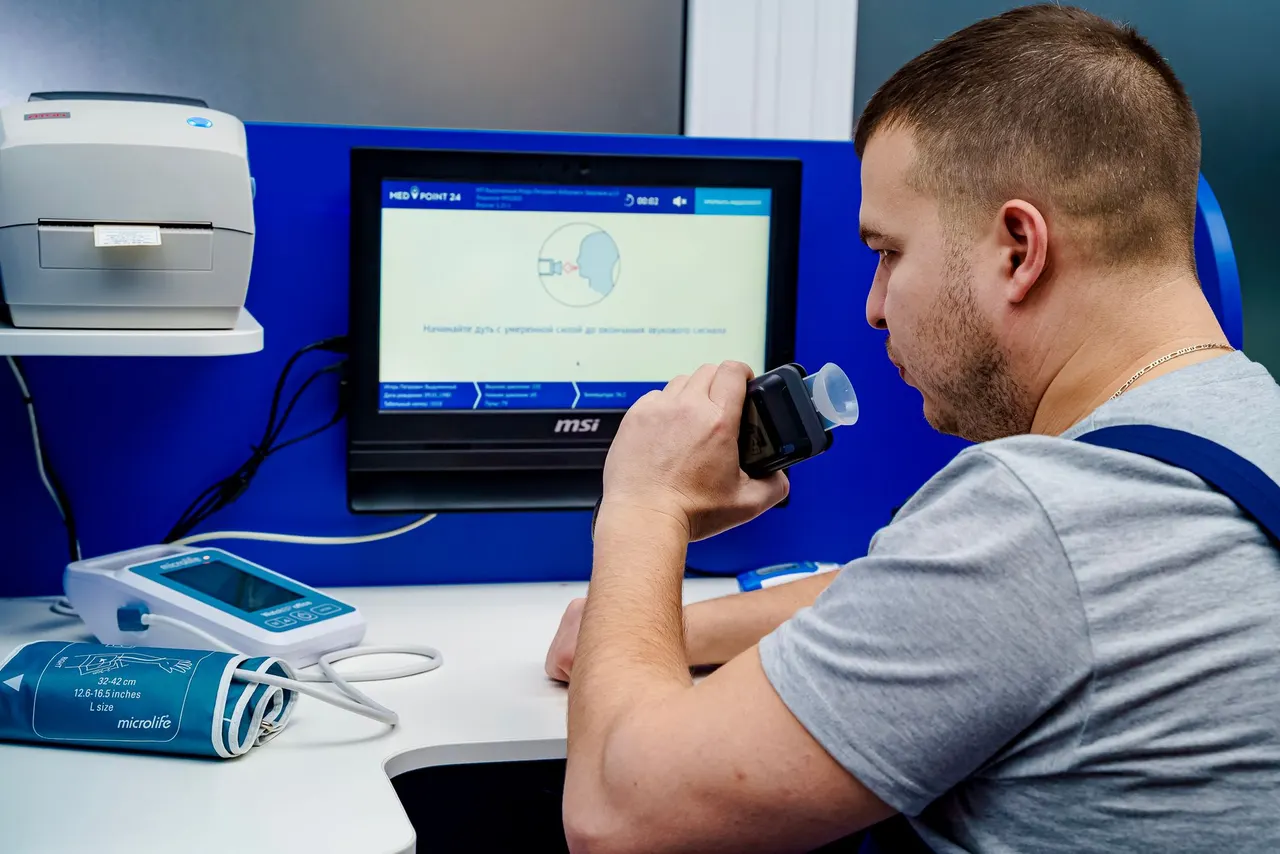
Measures relative humidity and temperature in each room. High humidity readings help explain moisture patterns.
A camera on a flexible rod that lets us look inside wall cavities and cabinets. We use it to confirm moisture without major demolition.

Inserted into wood or drywall to get readings below the surface. We use them when surface meters show elevated levels.

We follow IICRC guidelines for moisture inspection, which set consistent procedures for measuring and documenting water in buildings. This ensures our readings are reliable and our reports are defensible.
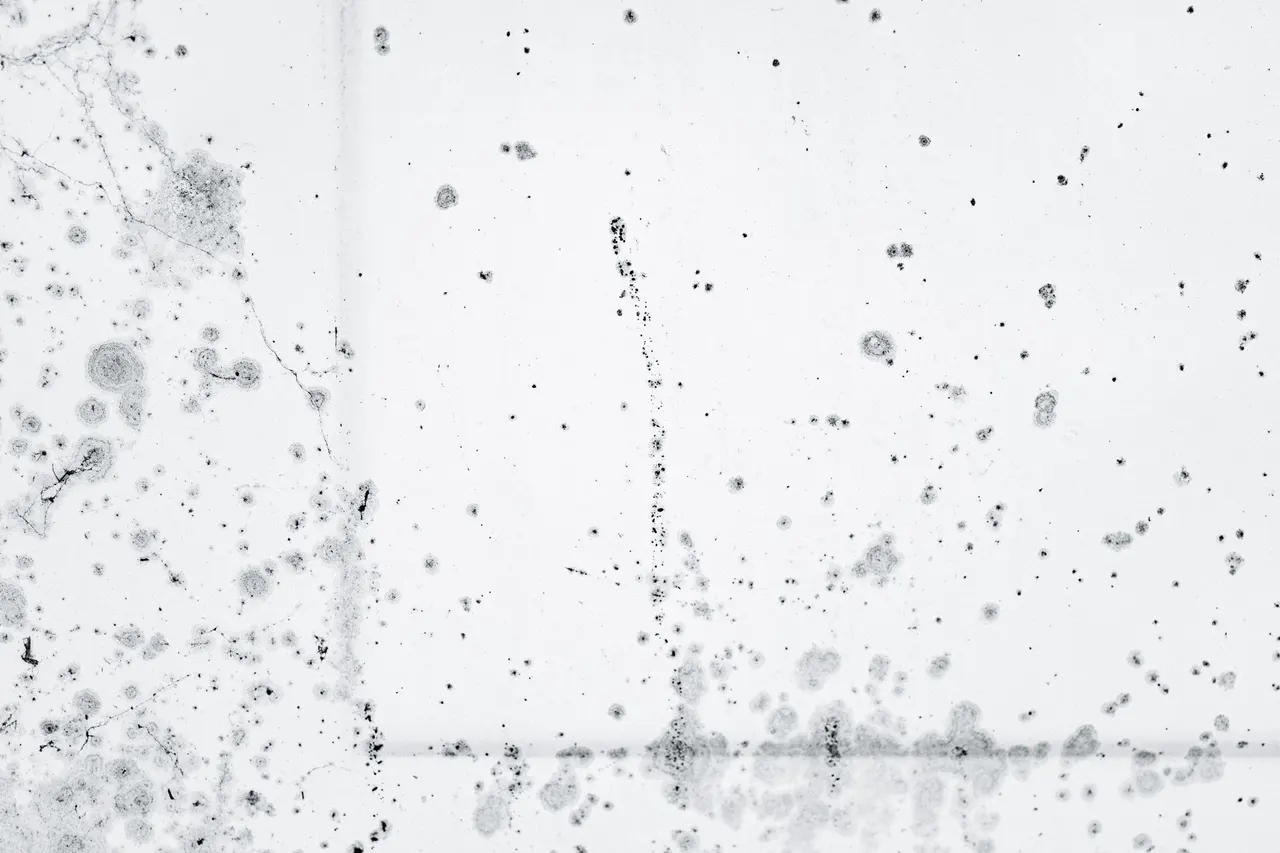
We use thermal imaging to confirm what meters suggest. A wet area shows a temperature difference on the camera. This cross-check reduces false positives and helps us map the full extent of the moisture.
We map the area to determine if moisture is active. The report gives you and your agent clear information for negotiation. We can also collect mold samples if growth is suspected. You know whether the stain is a minor issue or a sign of a larger problem before you close.
We map the moisture to show what is still wet. This helps you direct drying equipment and confirm when the area is dry. If mold has started, we can test for it. You dry the space correctly and avoid a mold problem down the road.
We use thermal imaging and meters to find the source. The map shows the wet area and its likely cause. We explain what to fix and whether mold testing is needed. The odor gets traced to its source, and you fix the problem instead of masking it.
We map the moisture and document the findings in a written report. This gives you and the tenant a clear picture. If mold is present, we can test for it. You have documentation to guide repairs and resolve the complaint.
Meridian sits in Ada County, where winters bring freeze-thaw cycles and summers run irrigation systems for months. Both create moisture paths into homes. In winter, warm indoor air hits cold exterior walls and condenses, raising moisture content in drywall and framing. In summer, a leaky sprinkler line or a slow supply-line drip can soak a subfloor without showing on the surface. We see this often in Northwest Meridian ID, where older crawl spaces hold humidity, and in newer neighborhoods where tight construction traps moisture. Our moisture mapping services Meridian Idaho are built around these local patterns. We know what normal readings look like in a Meridian home and what signals an active problem. If you need moisture mapping in Northwest Meridian ID or anywhere else in the city, we bring the right tools and the local experience to find the source.
A homeowner noticed a musty smell in the hallway but saw no mold. The wall felt dry to the touch. They had painted over a small stain twice.
Moisture mapping found 28 percent moisture content behind the shower wall. The thermal image showed a slow leak from a cracked tile grout line. The plumber fixed it, and the wall dried to 12 percent within a week.
Re-caulk the shower annually and check for loose tiles. We recommend a follow-up moisture check after any plumbing repair.
A homeowner noticed a damp smell in the living room. The crawl space had no vapor barrier, and the soil was wet from irrigation runoff.
We mapped 22 percent moisture content in the floor framing. After installing a vapor barrier and improving ventilation, readings dropped to 14 percent. No mold growth was found.
Keep sprinklers away from the foundation and check the vapor barrier each spring. We suggest a moisture check every two years.
A sump pump failed during a storm, leaving two inches of water in the basement. The homeowner dried the surface but worried about hidden moisture.
Moisture mapping showed elevated readings in the drywall and baseboards. We identified the wet areas, and the homeowner ran dehumidifiers for four days. Follow-up readings were normal, and no mold developed.
Test the sump pump before storm season and keep the basement humidity below 50 percent. We recommend a moisture check after any water event.
Hidden water causes most mold problems we see in Ada County. These are the situations where moisture mapping makes the biggest difference.
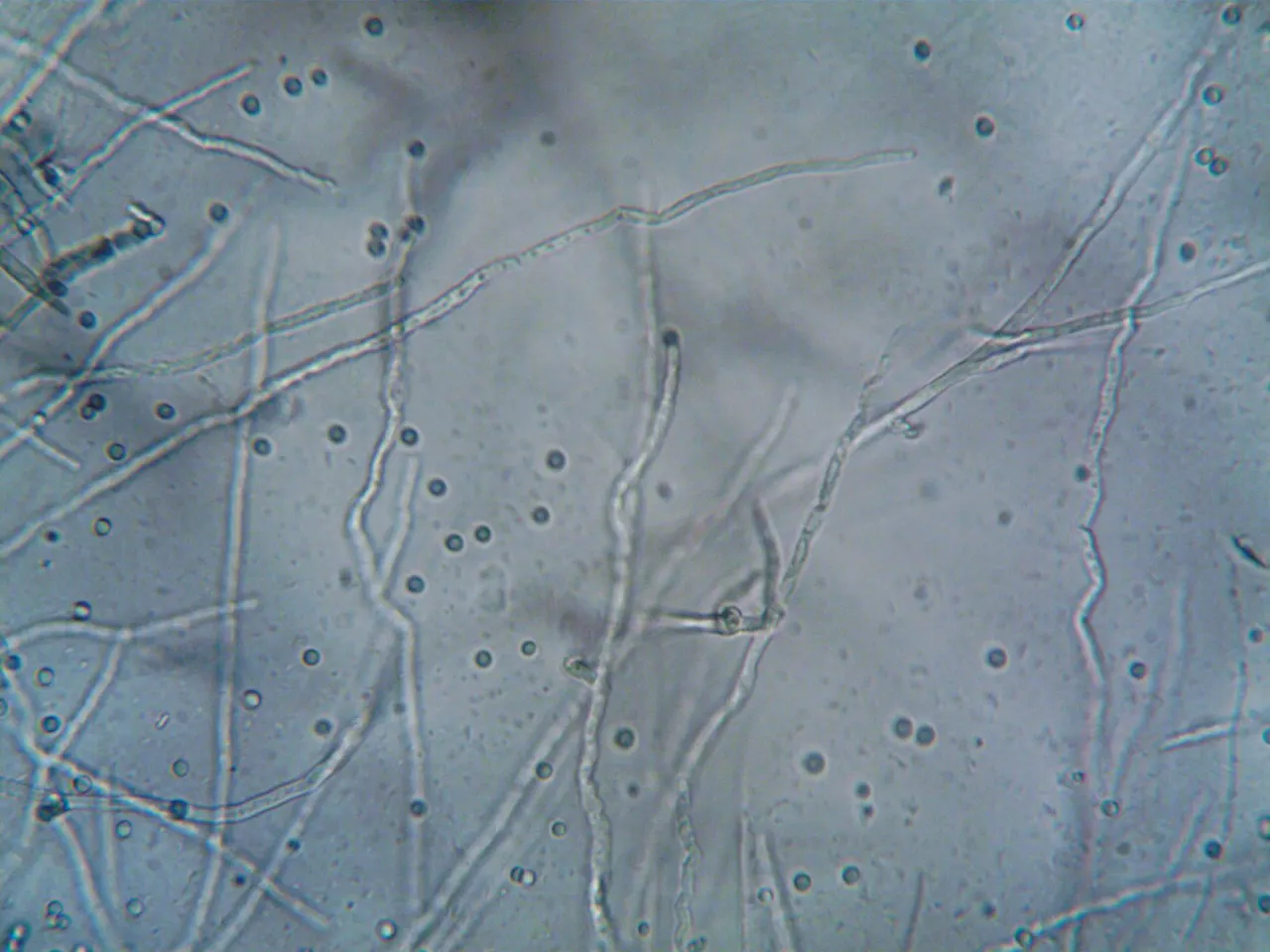
We use thermal imaging and moisture meters to trace the odor to its source. Once we find the wet area, we map it and recommend the right next step, whether that is drying, repairing a leak, or mold sampling. A musty smell means mold is growing somewhere you cannot see. It could be inside a wall, under flooring, or in the HVAC system. Ignoring it lets the problem spread.
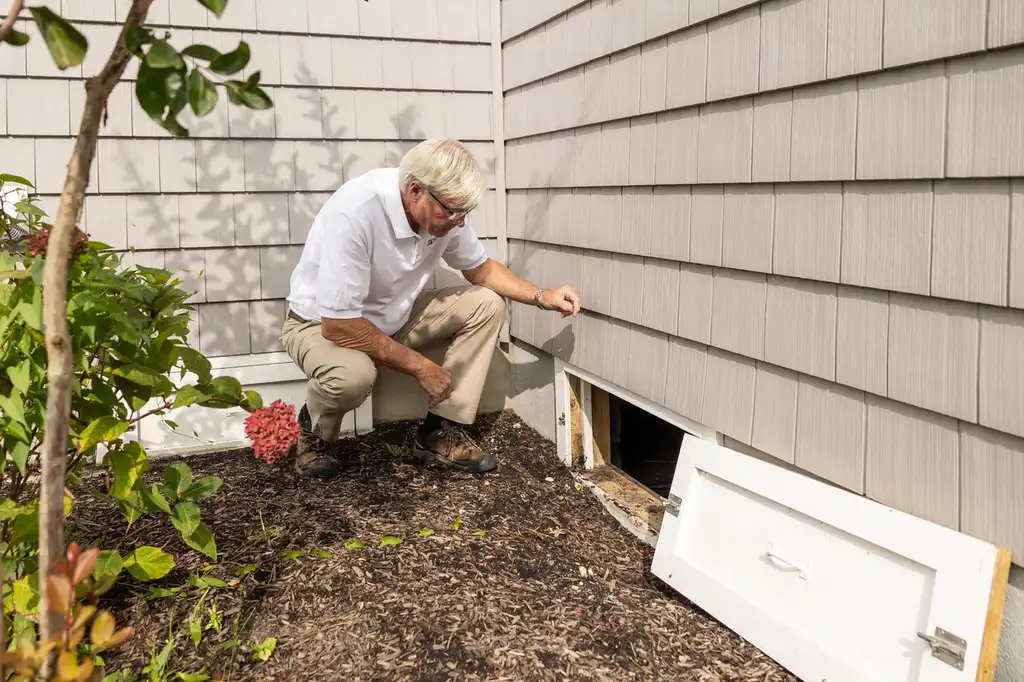
Moisture mapping shows whether the stain is active or old. We take meter readings and thermal images to confirm. If it is active, we trace the source so your contractor can fix it correctly. A stain that comes back after painting means moisture is still active. Paint traps the water and lets mold grow behind the surface. The longer it stays wet, the more damage it causes.
We map the moisture to show what is still wet and what is dry. That tells you where to focus drying equipment. If mold has already started, we can collect samples during the same visit. After a leak or flood, materials can stay wet for weeks. Mold starts in 24 to 48 hours. If you do not dry the area completely, mold will grow.
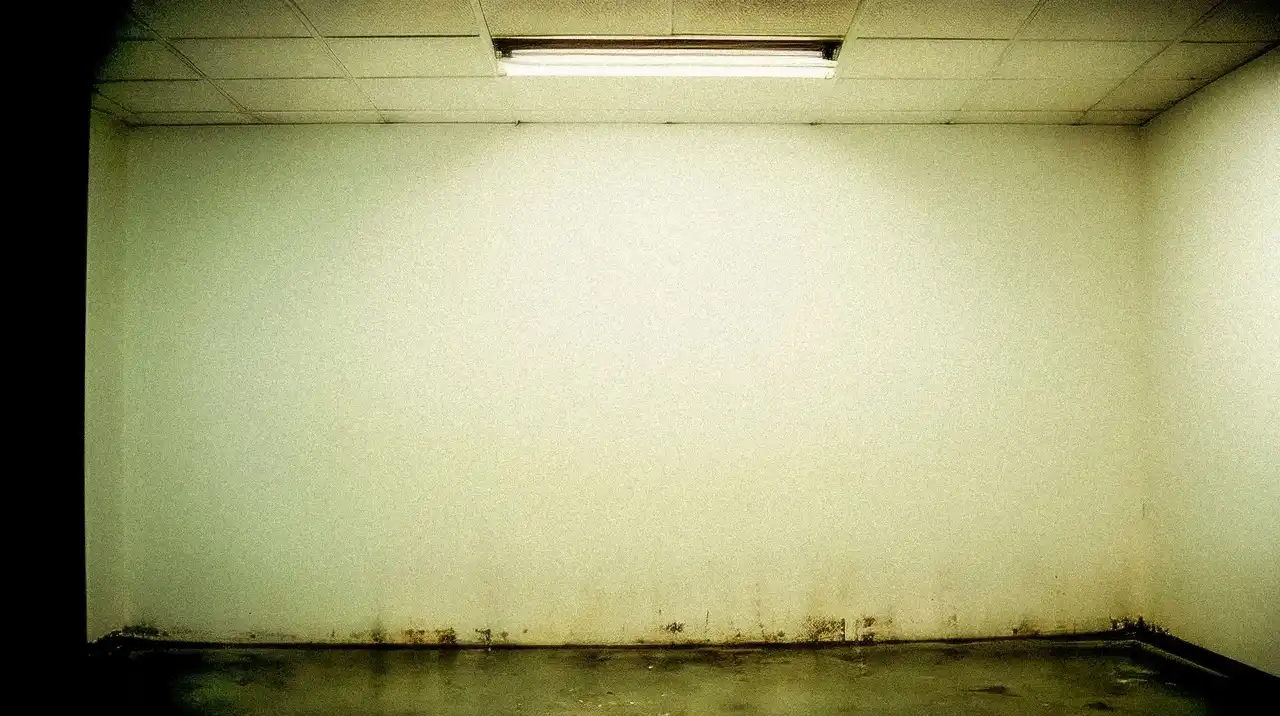
We measure humidity with an Extech hygrometer and map moisture in the framing. If readings are high, we explain ventilation or vapor barrier fixes that will bring humidity down. Humidity above 60 percent feeds mold on wood framing and stored items. In Meridian, crawl spaces often stay damp from soil moisture and poor ventilation.
Mold needs 24 to 48 hours of moisture to colonize. When we map a leak the same day you notice it, you can dry the area and skip remediation entirely. One customer in Southeast Meridian caught a slow dishwasher leak at 18 percent moisture content and saved thousands in cabinet replacement.
Insurance adjusters want proof. Our moisture maps show exact percent readings, thermal images, and a marked floor plan. That documentation supports a water damage claim and shows the difference between a $400 dry-out and a $4,000 tear-out. We hand you a report you can send straight to your carrier.
A buyer's inspector flags a stain, and the deal stalls. We map the area, confirm whether moisture is active, and give you a written report for the transaction. Real estate agents in Ada County call us when they need a fast answer before closing day.
Instead of guessing which wall to open, you get a map. That means your plumber or roofer fixes the actual source, not a symptom. It cuts repair costs and prevents the same leak from returning next season.
Clear records you can keep and share.
Floor plan with moisture readings and thermal images.
Visual proof of hidden moisture patterns.
Clear explanation of what to fix and why.
Moisture mapping finds water you cannot see. It is different from mold testing, which confirms whether growth is present.
A wall can feel dry on the surface but hold moisture inside. Meters and thermal cameras find what touch cannot.
Mold can start in 24 to 48 hours after a leak. Mapping the same day helps you dry the area before growth begins.
A written moisture map supports insurance claims and real estate negotiations. It shows exactly what is wet and how wet.
Outside these areas? Call and we will let you know if we can help. (208) 823 1178
Most moisture mapping jobs in Meridian run $180 to $450, depending on square footage and how many areas need scanning. A single-room check sits at the low end. A full-home map with thermal imaging and a written report sits at the high end. We quote the price before we schedule, so there are no surprises.
Moisture mapping is a diagnostic service that measures water content in building materials and traces where it came from. We use moisture meters, thermal imaging cameras, and hygrometers to find hidden water inside walls, ceilings, and floors. The result is a map showing wet areas and their likely source.
Meridian Mold Testing provides moisture mapping across Ada County, including Downtown Meridian, Northeast Meridian, and Northwest Meridian. We have been in business since 2010 and use calibrated Delmhorst and Protimeter meters on every job. Call (208) 823 1178 to schedule.
A single-room moisture map takes 30 to 45 minutes. A full-home inspection with thermal imaging and a written report runs two to three hours. We schedule same-day appointments when available, and you get your report before we leave the property.
If you have a musty smell, a recent leak, or a stain that keeps coming back, do not wait. Moisture mapping gives you answers the same day. Call (208) 823 1178 or book online. We serve all of Meridian and Ada County.
Call us at (208) 823 1178 or email [email protected] to schedule your inspection. We answer calls Monday through Friday from 8:00 AM to 6:00 PM. If you reach us after hours, leave a message and we will call you back first thing the next morning.