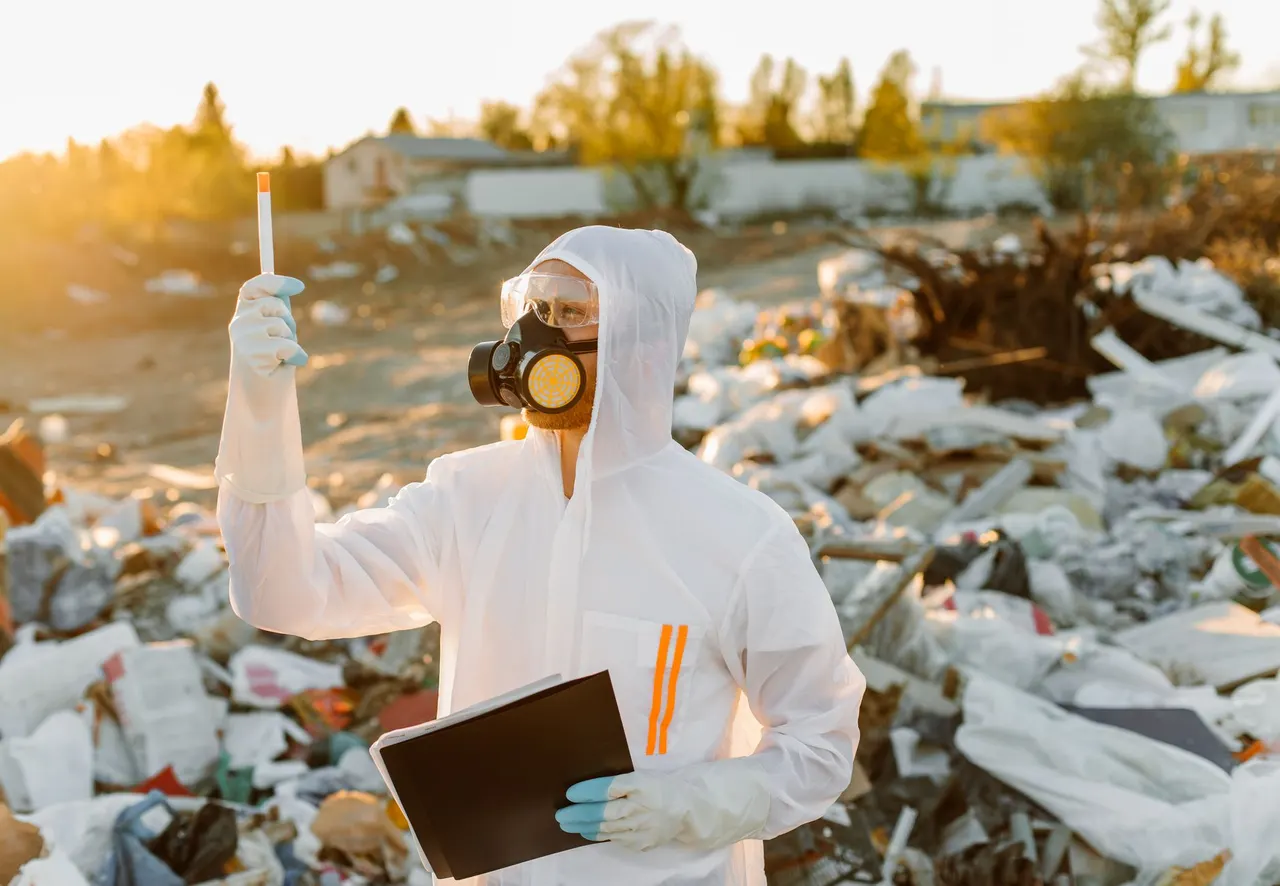
Lab report
Spore types and concentrations for each sample
Airborne Mold Spore Testing Meridian ID measures the mold spores floating through your home or business, so you know whether that musty smell is a real problem or just old carpet. We serve homeowners, renters, and property managers across Ada County who need straight answers, not guesswork. If you've had water damage, a leaky roof, or unexplained allergies, this test tells you what's actually in the air.
Our standard airborne mold spore testing package covers the essentials. We'll tell you upfront what's included and what's optional, so there are no surprises.
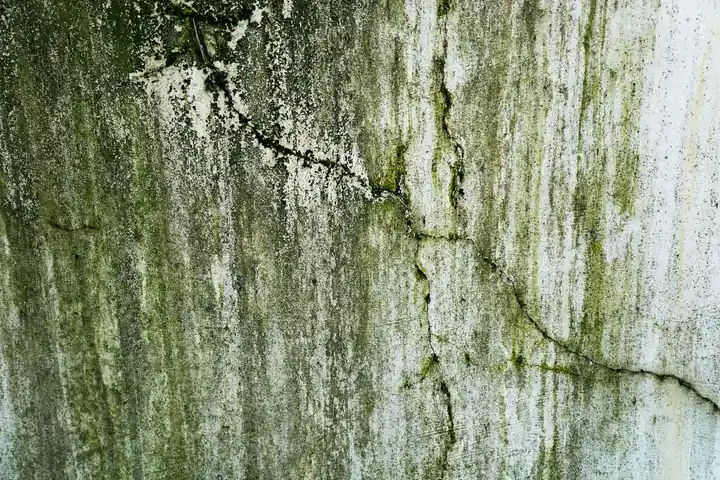
We test the air in your home to find out if mold spores are elevated. You get lab results that show what's there and what to do next.
We test commercial spaces for airborne mold spores that affect employees and customers. Reports meet OSHA and EPA guidelines for workplace air quality.
Airborne Mold Spore Testing Meridian ID is a diagnostic service that captures and analyzes the mold spores circulating through your indoor air. We use calibrated air sampling pumps paired with spore trap cassettes like Air-O-Cell and Zefon cassettes to pull a measured volume of air across a sticky slide. That slide goes to a certified lab, and you get a report showing exactly which mold types are present and at what concentrations. It's the difference between guessing and knowing.
Meridian sits in the Treasure Valley, where winter inversions trap moisture and summer irrigation keeps indoor humidity high. That combination feeds black mold growth behind walls, in crawl spaces, and inside HVAC systems. If you've noticed musty odors or your family's allergies flare up indoors, airborne mold testing Meridian Idaho gives you data instead of theories. We also handle airborne mold spore test near me Meridian calls for real estate transactions and post-remediation clearance.
We measure what's in your air, then show you the lab data.
We follow a documented, repeatable process so your results are defensible and easy to understand. Here's what to expect from the first call to the final report.
We start with a phone consultation to understand your situation. Have you had water damage? Noticed musty odors? Are you buying a home? We ask the right questions and schedule a visit, often same-day for urgent cases. You'll know the scope and cost before we arrive.
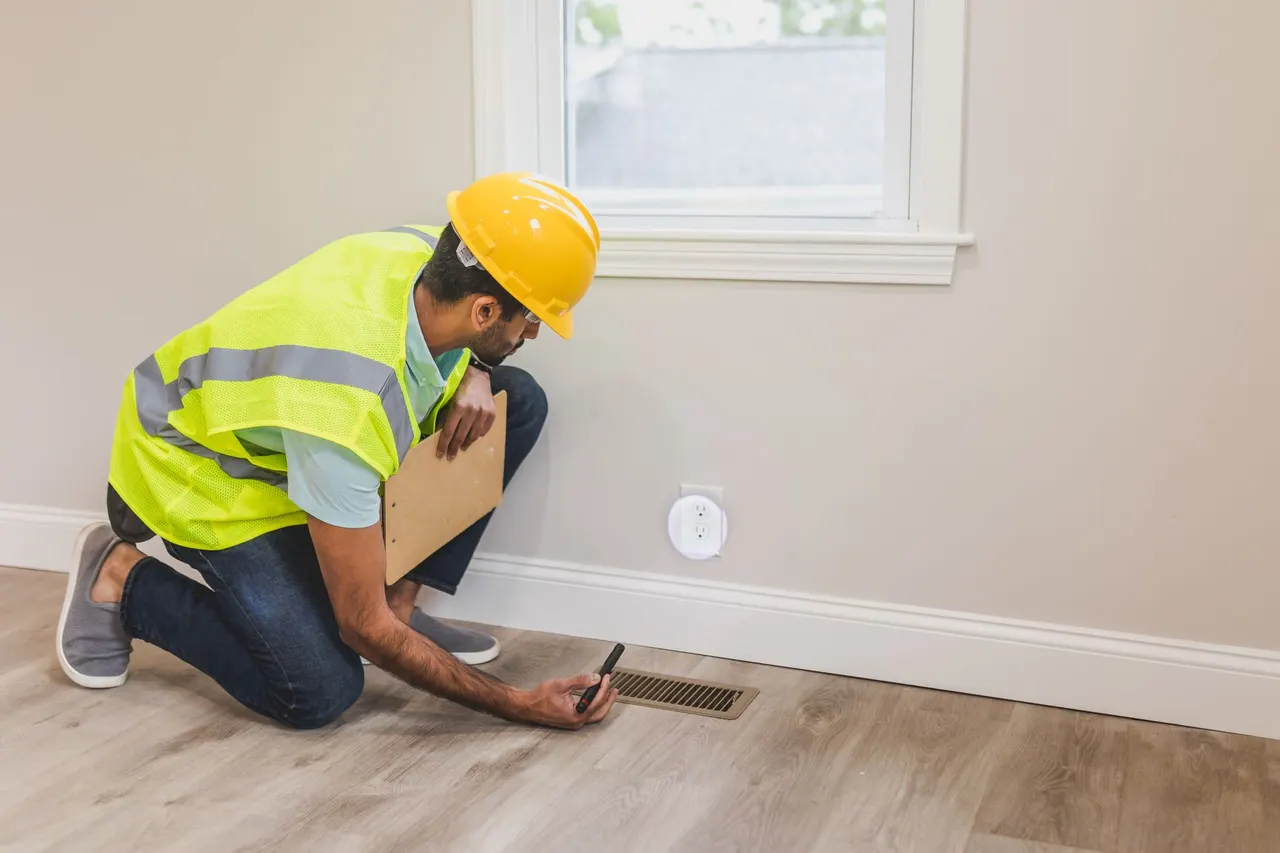
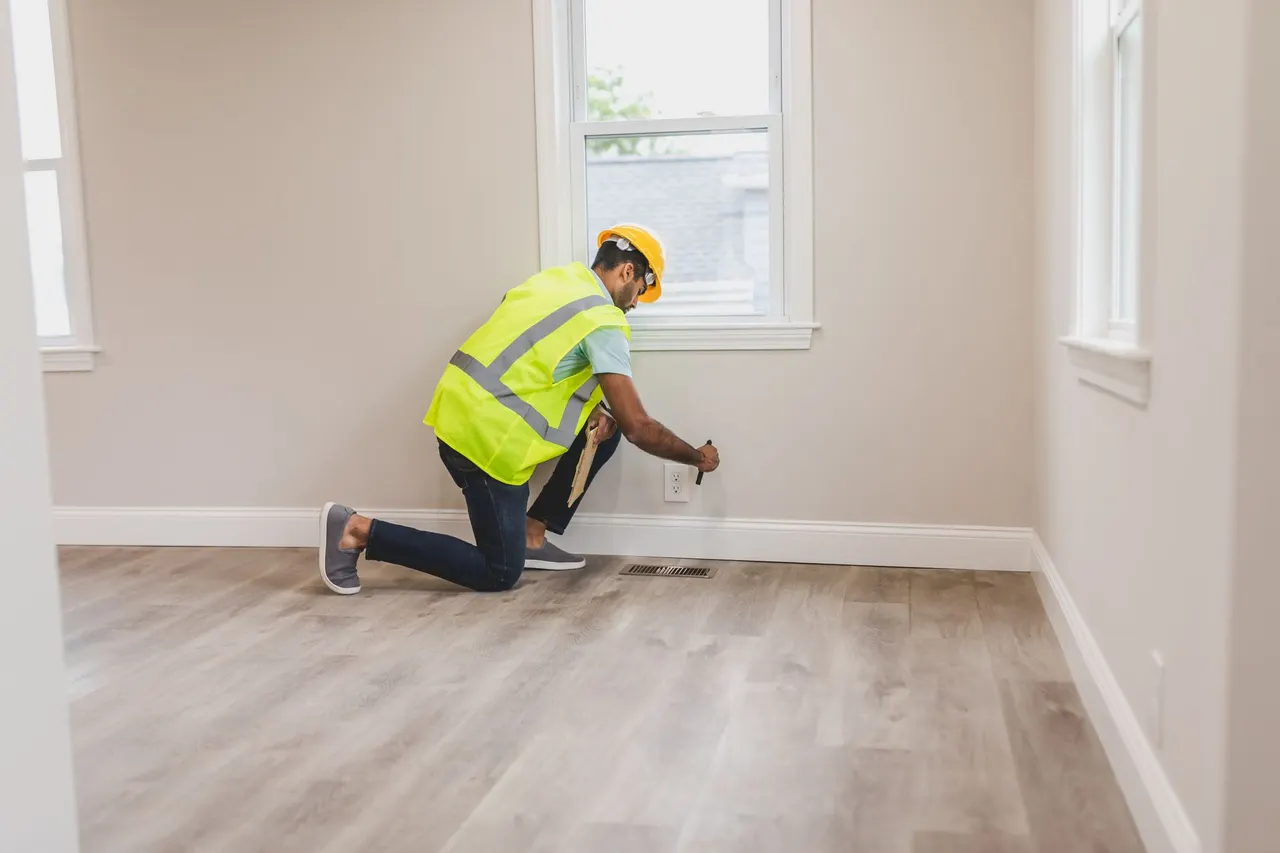
On site, we walk the property with a moisture meter, thermal imaging camera, and boroscope. We check crawl spaces, attics, basements, and around HVAC equipment. This step identifies likely mold sources and helps us choose the best sampling locations. Takes 30-60 minutes depending on property size.
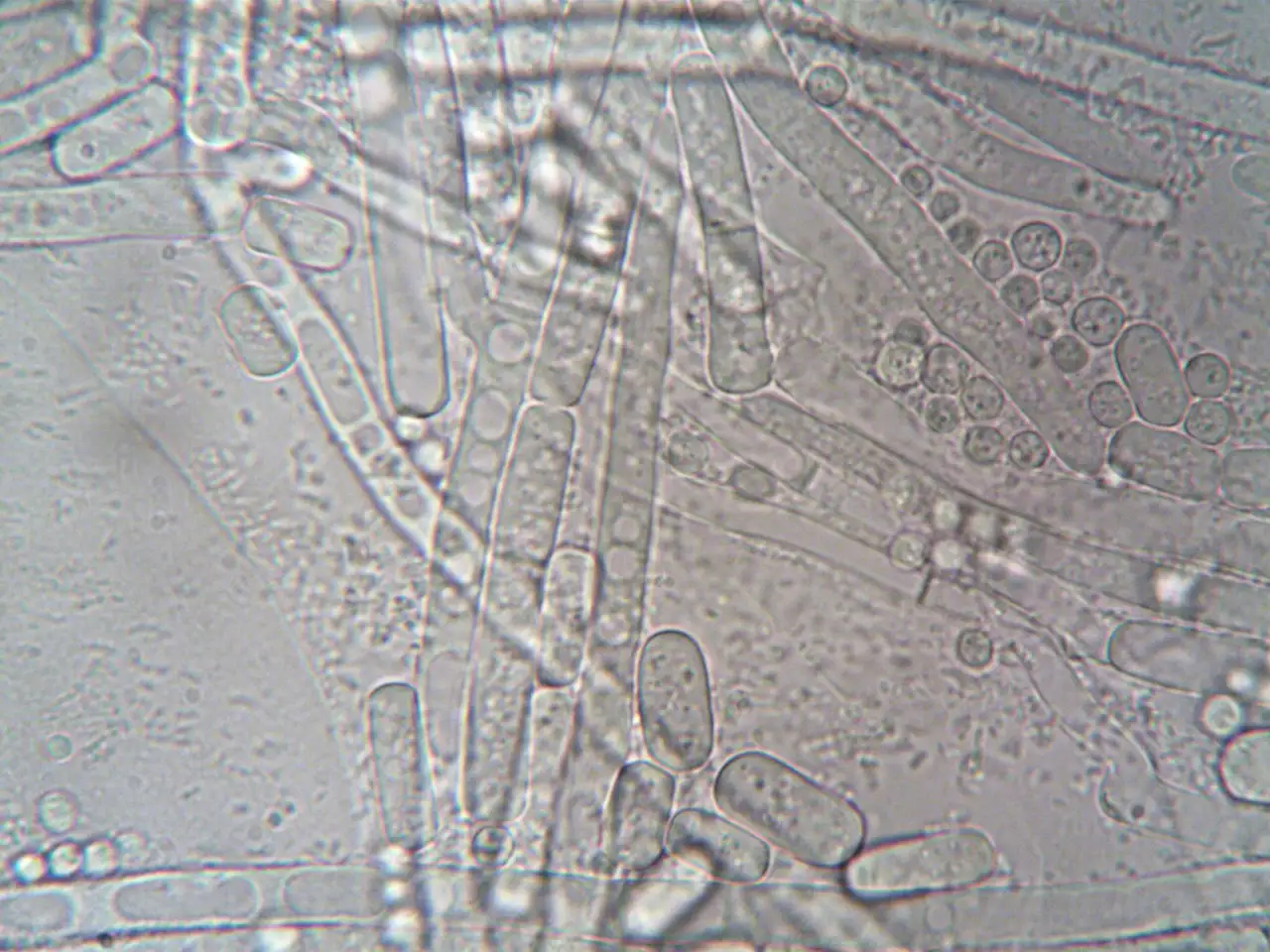
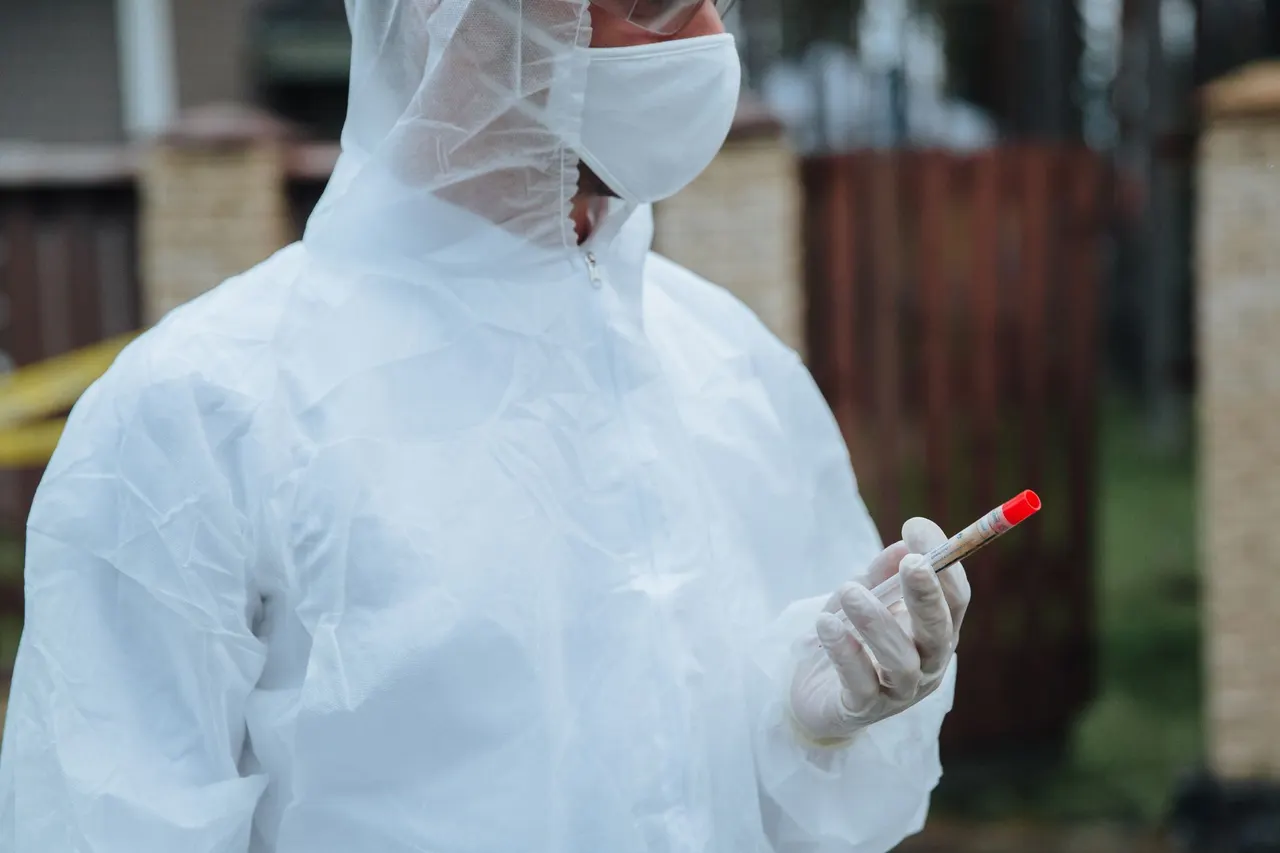
We set up calibrated air sampling pumps with spore trap cassettes at each test location. A typical setup includes one outdoor baseline and two to four indoor samples. Each sample runs 5-10 minutes, pulling a known volume of air. We label everything and document chain of custody.
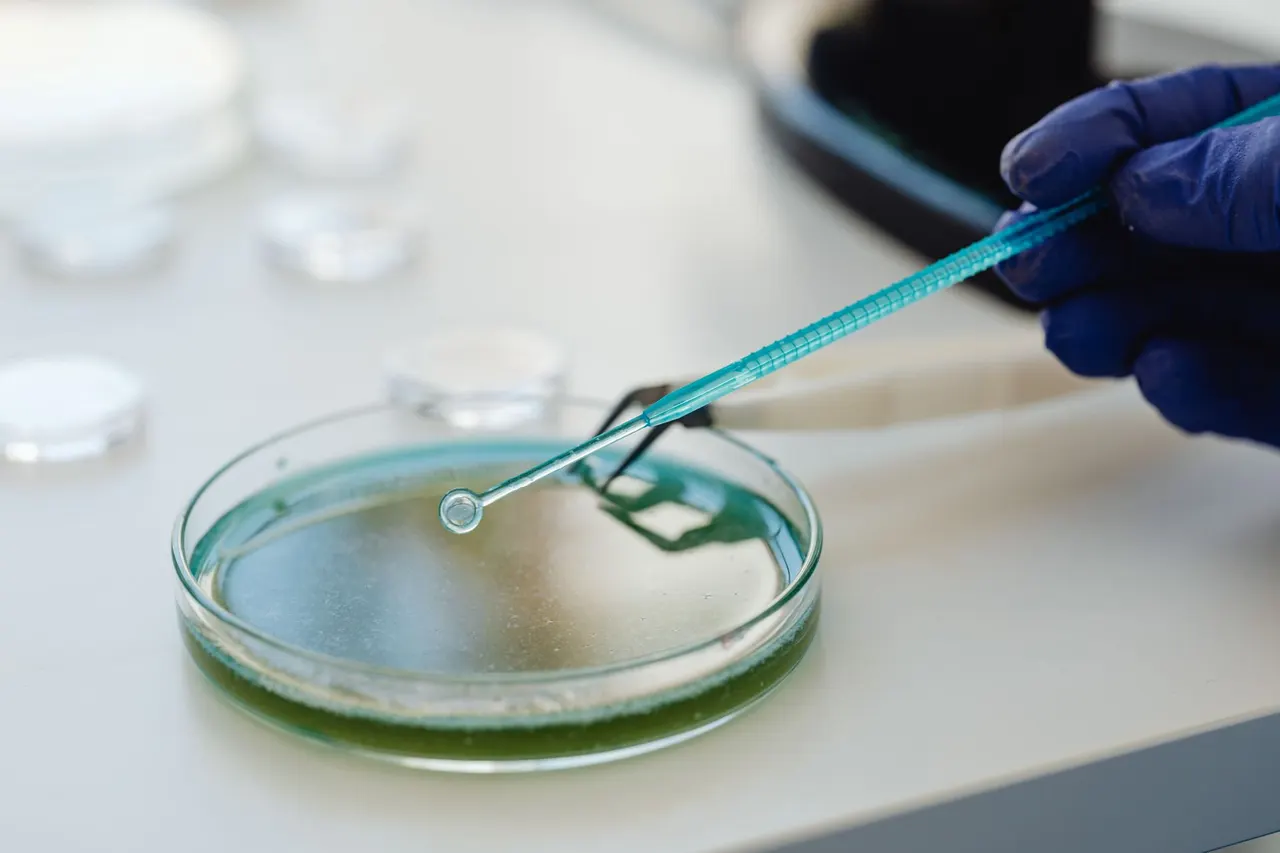
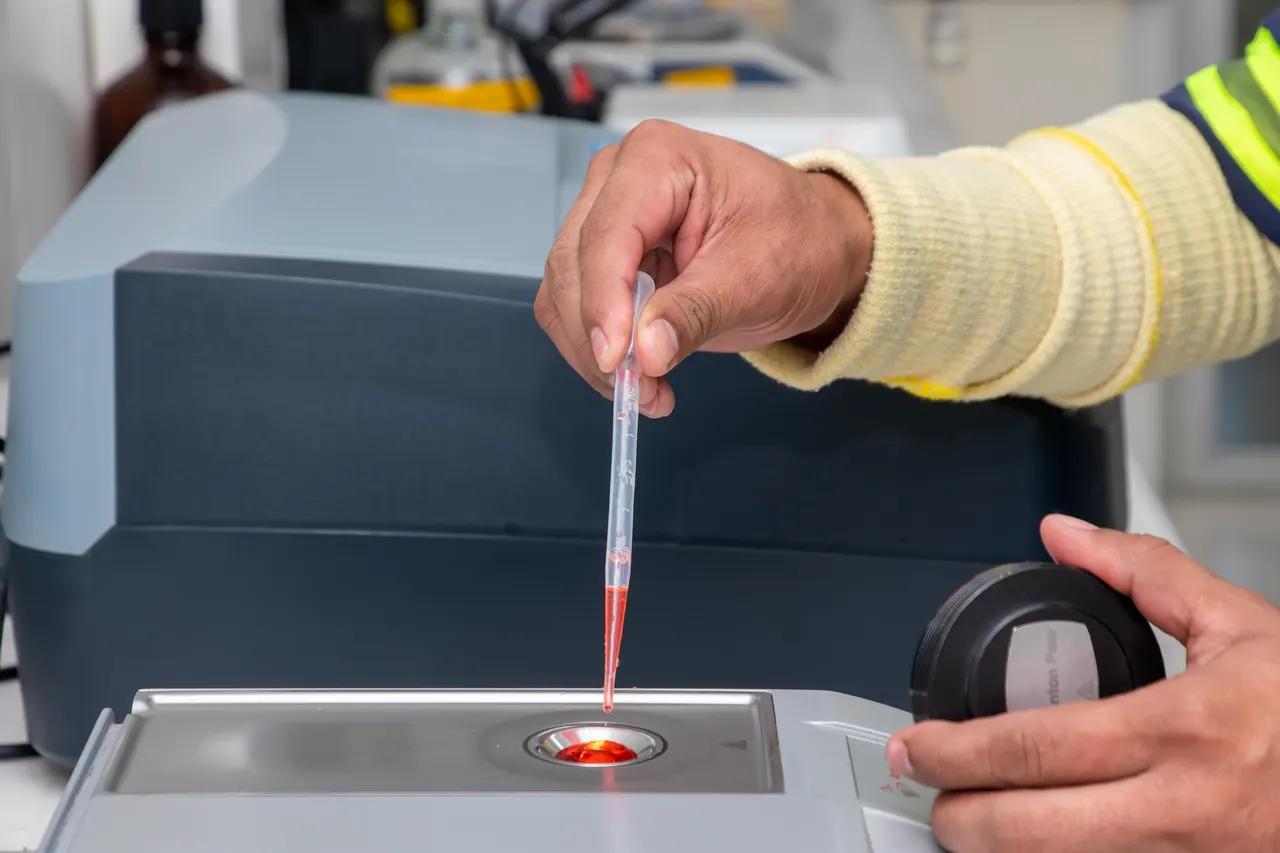
Samples ship to an accredited lab the same day. The lab analyzes each cassette under a microscope, identifying spore types and counting concentrations. Turnaround is typically 2-3 business days. Rush options are available if you need results faster for a real estate deadline.

You receive a written report with raw data, comparisons to outdoor baseline, and plain-language interpretation. We walk you through the findings by phone or email. If remediation is needed, we explain options. If the air is clean, you have documentation proving it.
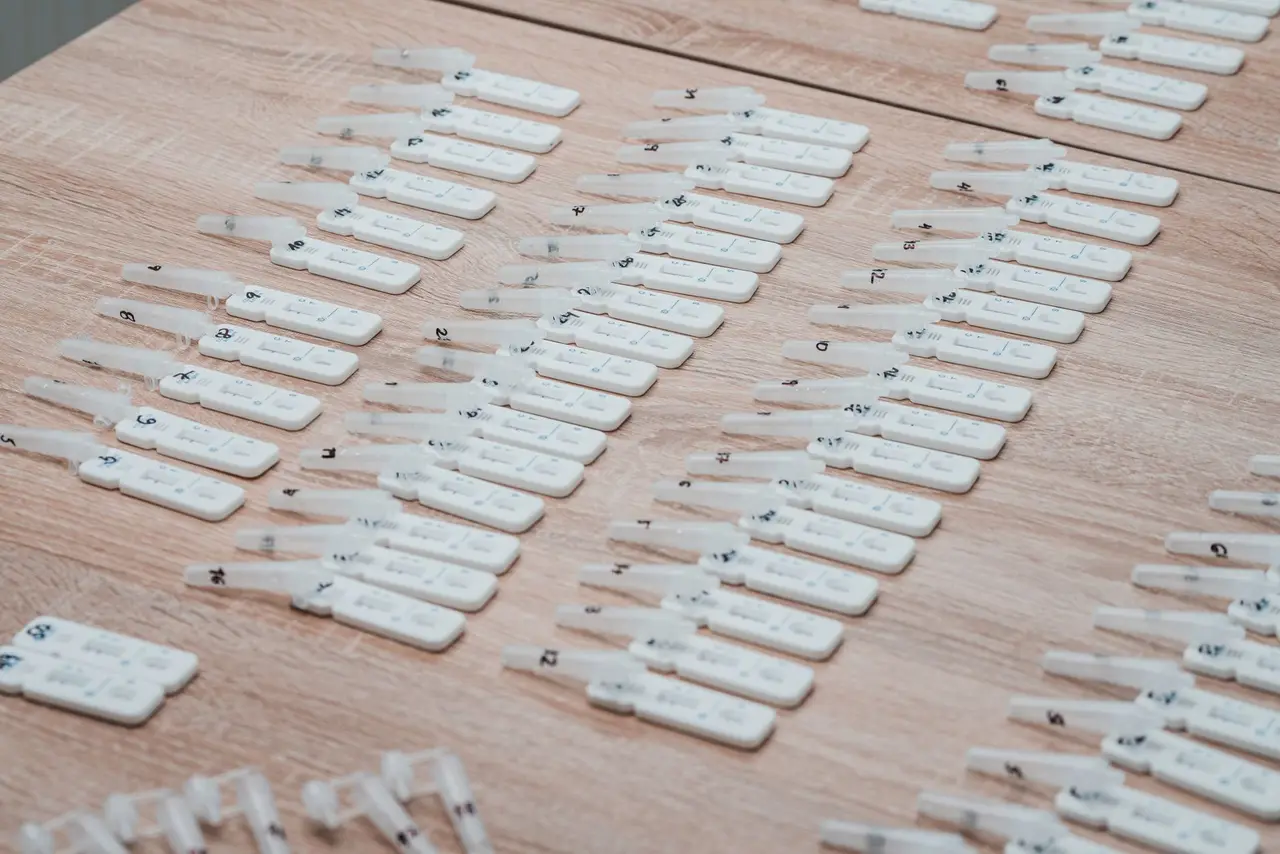
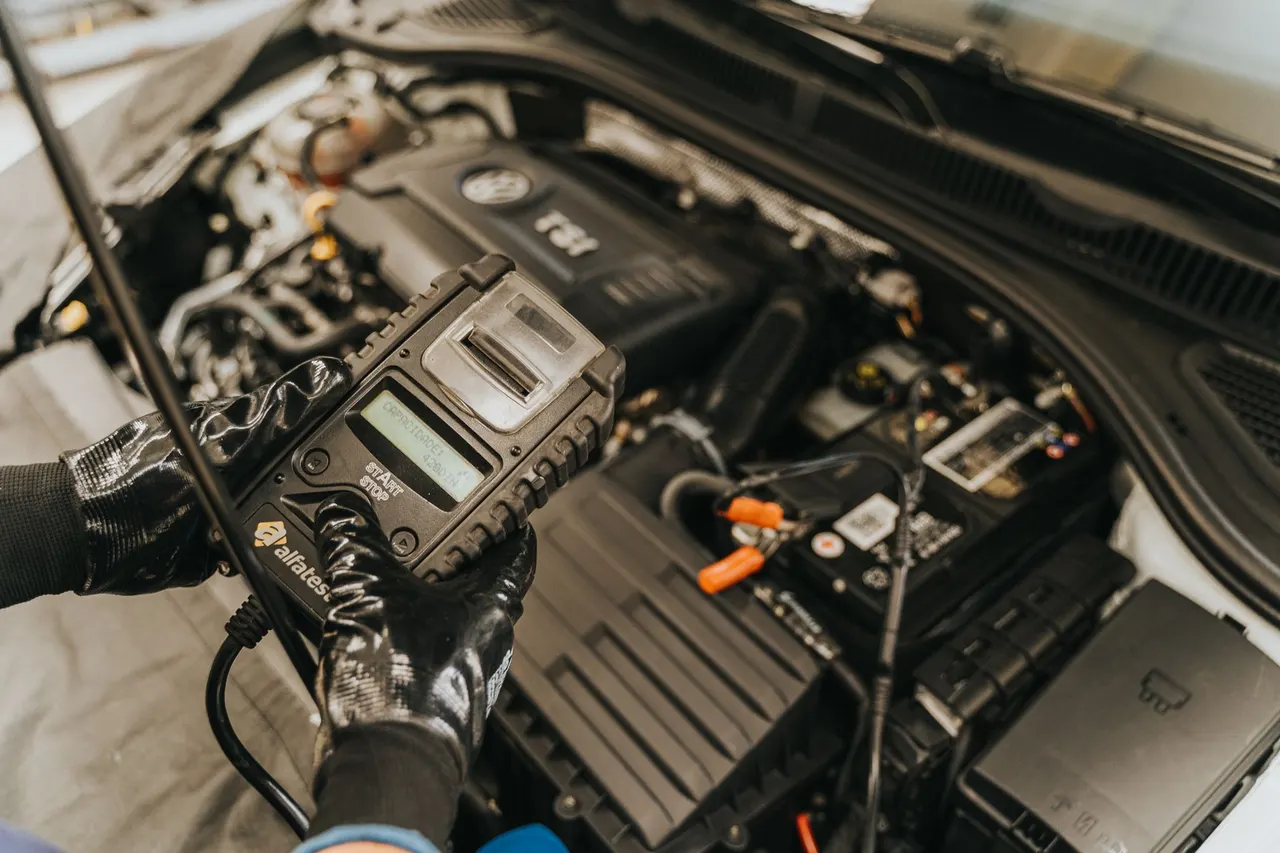
Calibrated pumps pull a known volume of air through spore trap cassettes. This ensures accurate, repeatable spore counts.
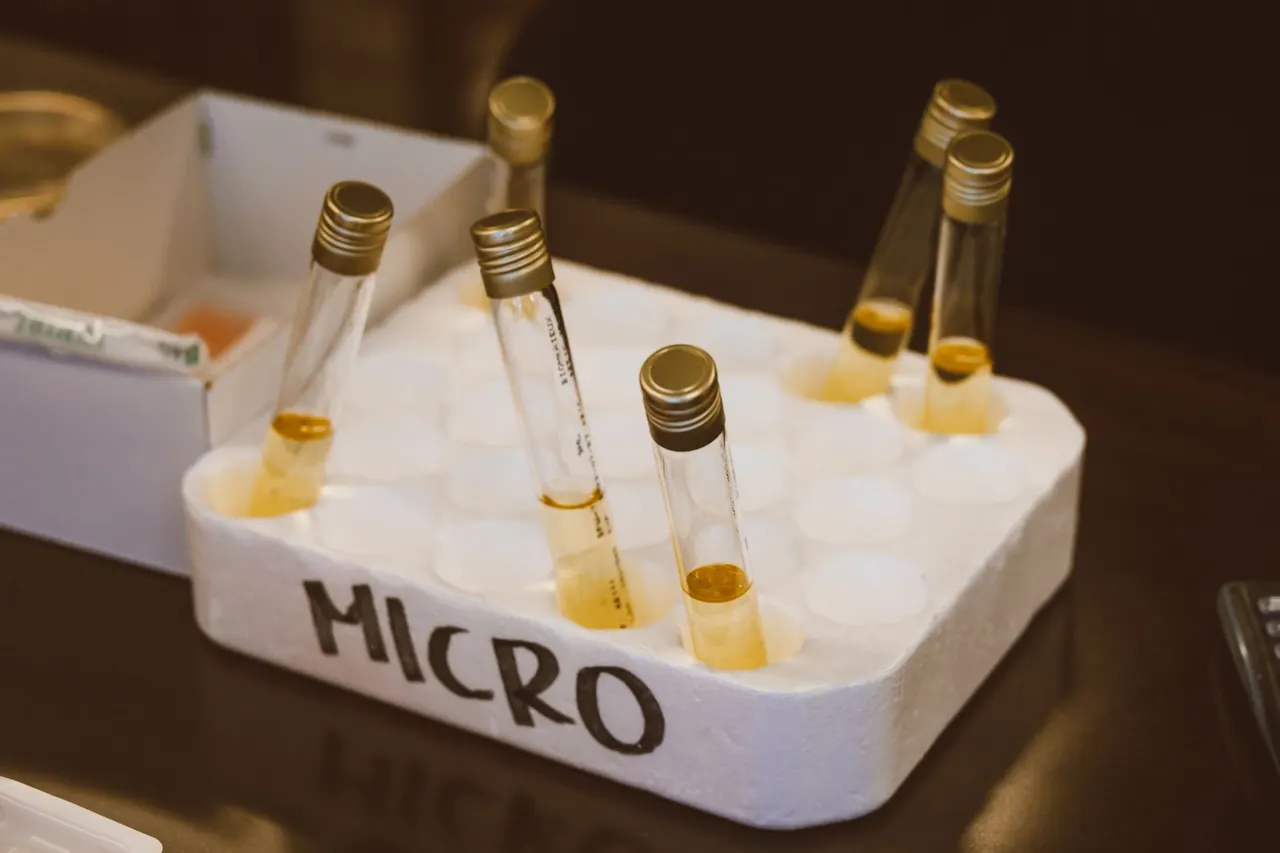
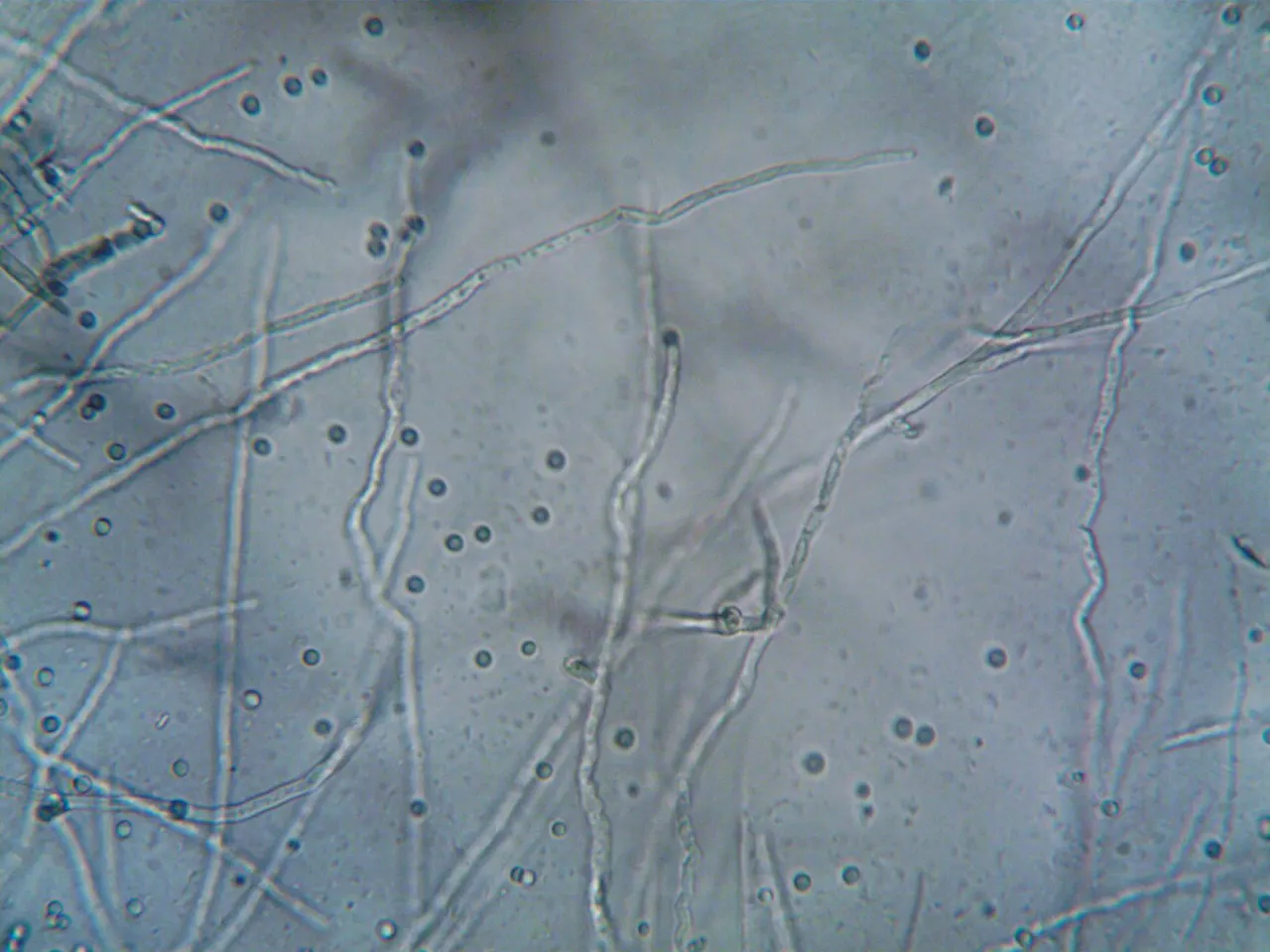
These cassettes capture airborne particles on a sticky slide. The lab analyzes the slide under a microscope to identify and count spores.
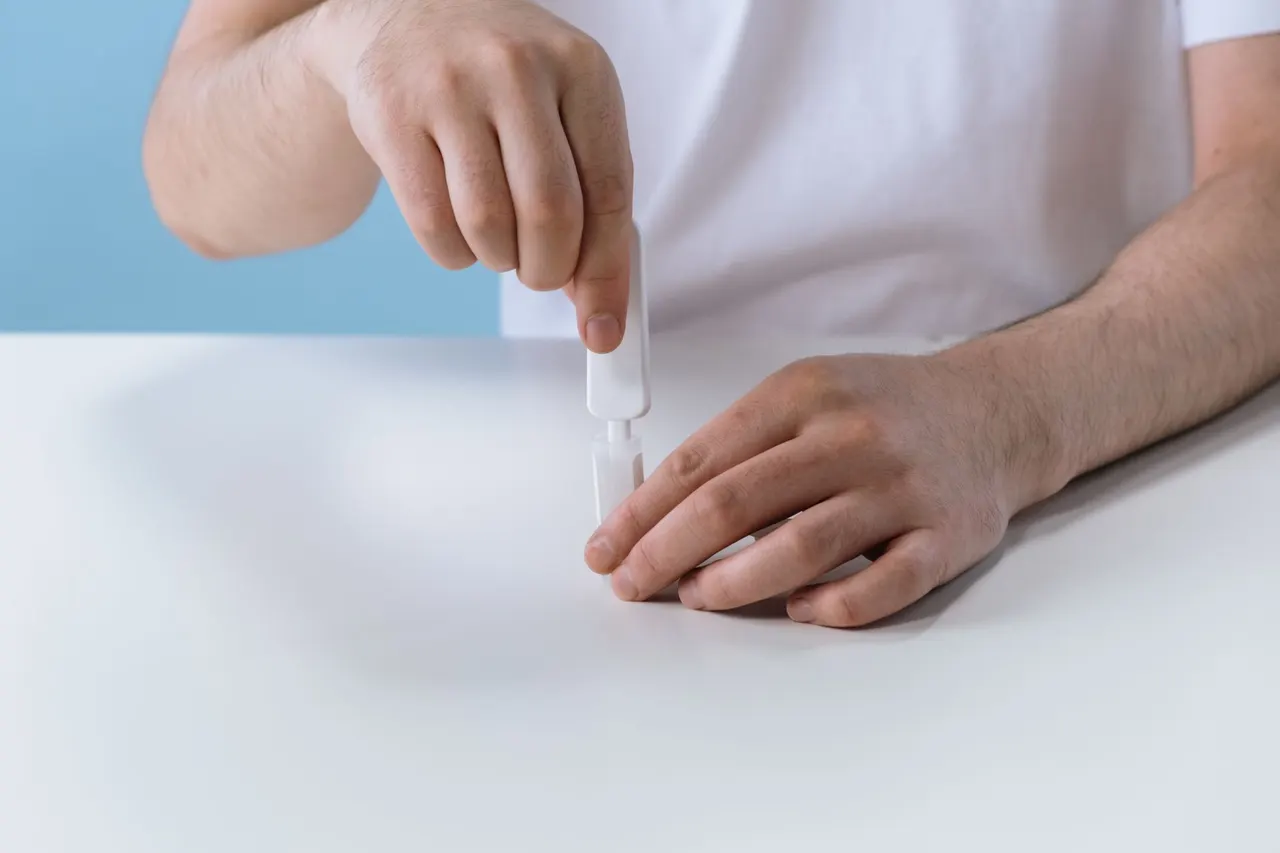
We use pin and pinless meters to measure moisture in walls, floors, and ceilings. Elevated readings indicate where mold may be growing.
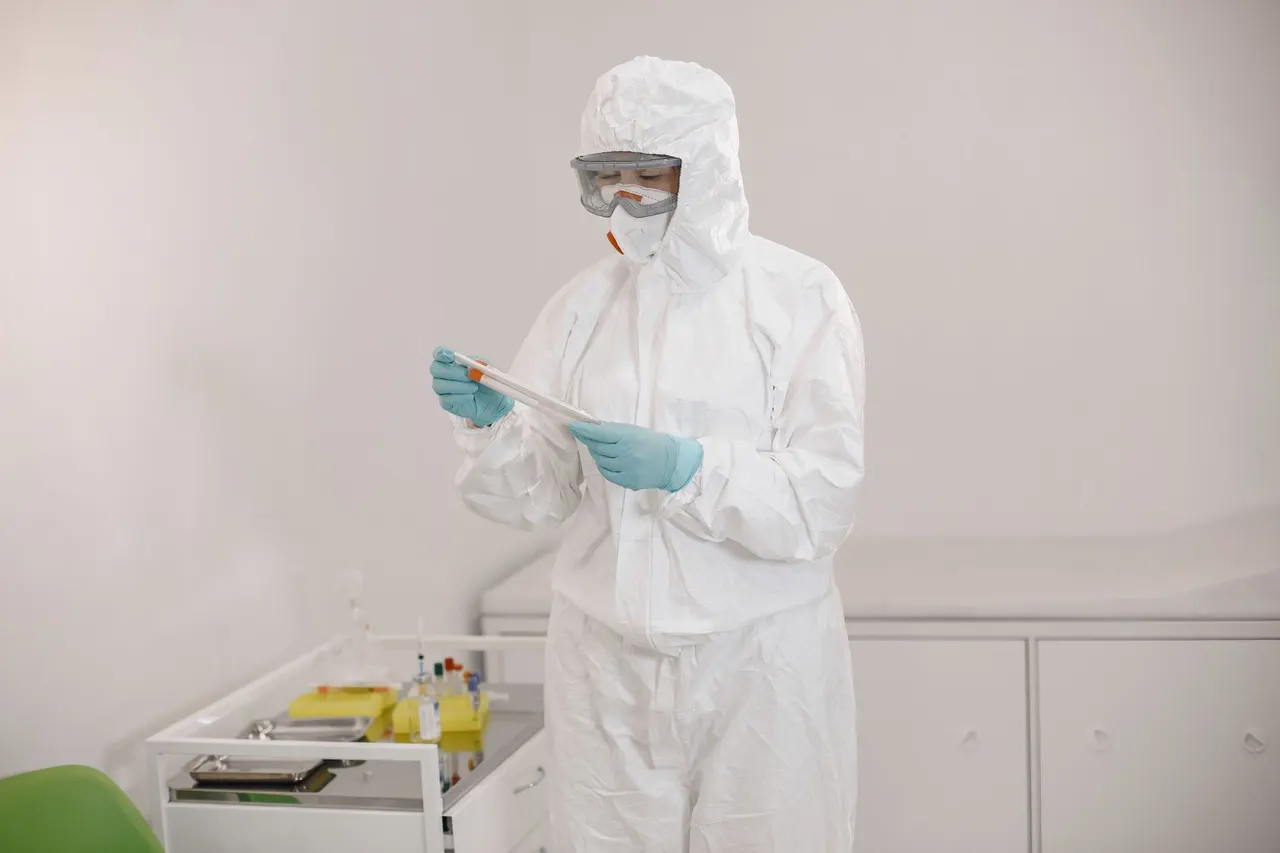
Thermal cameras reveal temperature differences caused by moisture. We scan walls and ceilings to find hidden wet spots.

Boroscopes let us see inside wall cavities and ductwork without demolition. We use them to confirm mold growth in hidden spaces.
These devices measure relative humidity over time. High humidity feeds mold. We track levels to assess risk.
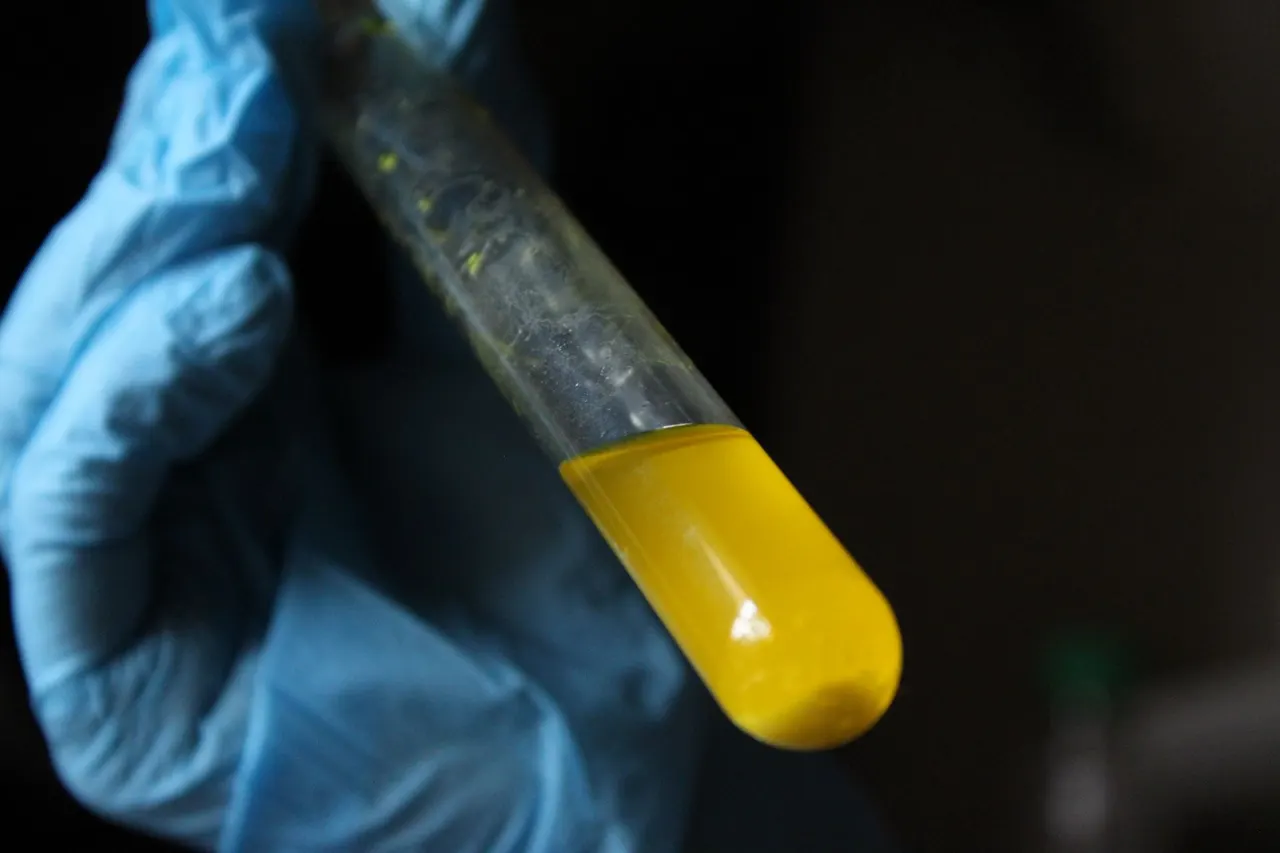
When visible mold is present, we collect surface samples. These confirm species identification and complement airborne data.

We follow IICRC S520 guidelines for mold assessment and remediation. This standard defines how to inspect, sample, and interpret results. Following it ensures our work is defensible and consistent.
We inspect the affected area with moisture meters and thermal cameras. Then we run airborne spore sampling in the room and adjacent spaces. If spore counts are normal, you have documentation. If elevated, we identify the source. You know whether mold is growing and can take action before it spreads.
We perform airborne mold spore testing with an outdoor baseline. The lab report shows spore types and concentrations. We compare indoor to outdoor levels. If elevated, you have leverage in negotiations. You make an informed purchase decision with lab-backed data.
We run post-remediation airborne spore testing in the same locations as the original test. The lab compares before-and-after results. If levels have returned to normal, we issue a clearance report. You have proof the remediation worked and the air is clean.
We document conditions with photos, moisture readings, and airborne spore sampling. The report is written for both landlords and tenants. It shows whether mold is present and how severe it is. You have third-party documentation to resolve the dispute.
Meridian's climate creates specific mold risks. Winter inversions trap moisture near the ground, raising indoor humidity. Summer irrigation keeps crawl spaces damp. Older homes near Downtown Meridian often have inadequate ventilation, while new construction in Tuscany and Sierra Ridge can trap moisture during the first year as materials cure. We tailor our airborne mold spore sampling Meridian ID approach to these conditions. For example, we sample crawl spaces more frequently in homes near the Boise River corridor. We also check HVAC systems in newer homes where tight construction reduces natural air exchange. If you need airborne mold spore testing in Downtown Meridian ID or anywhere in Ada County, we know what to look for.
A homeowner in Southeast Meridian had a crawl space flood after a pipe burst. The space stayed wet for weeks. Musty odors spread through the house. Initial airborne spore testing showed indoor levels 8x higher than outdoor baseline.
After remediation and improved ventilation, we retested. Indoor spore counts dropped to within 10% of outdoor levels. The homeowner received a clearance report. Musty odors were gone.
We recommended a dehumidifier and annual moisture checks. Keeping crawl space humidity below 50% prevents future mold growth.
A buyer's inspector flagged possible mold in a Northeast Meridian home. The seller disputed it. The transaction stalled. We performed airborne mold spore testing with outdoor baseline and surface samples.
Lab results showed no elevated spore counts indoors. The dark staining was dirt, not mold. The report cleared the home. The transaction closed on schedule.
We advised the new owner to monitor humidity and fix any leaks promptly. Annual air quality checks were suggested.
A commercial building in Downtown Meridian had recurring musty odors. Employees complained of headaches. Airborne spore testing showed elevated Aspergillus levels near supply registers. Boroscope inspection found mold inside ductwork.
After duct cleaning and HVAC remediation, we retested. Spore counts returned to normal. Employee complaints stopped. The building manager received documentation for OSHA compliance.
We recommended quarterly filter changes and annual duct inspections. Keeping HVAC coils clean prevents mold regrowth.
Mold problems rarely announce themselves clearly. These are the situations where airborne spore testing gives you the answers you need.

We use airborne mold spore testing to measure what's in your air. If indoor spore counts are elevated, we know mold is growing somewhere. Thermal imaging and moisture meters help us find it. You get data, not guesses. Persistent musty smells usually mean hidden mold growth. Without testing, you're guessing where it is and how bad it's gotten.

Airborne mold spore testing identifies which mold species are present and at what levels. We compare indoor samples to outdoor baseline. If specific molds are concentrated indoors, we help you locate and address the source. If your family feels better outside than inside, indoor air quality is likely the culprit. Mold spores are a common trigger for asthma and sinus issues.

We test air and surfaces after water damage. Moisture mapping shows where water lingered. Spore trap cassettes capture airborne mold. If contamination is present, we document it for insurance and remediation planning. Mold can start growing within 24-48 hours after water intrusion. Even if surfaces look dry, moisture inside walls and floors feeds hidden growth.

We provide third-party lab reports for real estate transactions. Airborne spore testing documents air quality at the time of inspection. Reports are defensible and easy for all parties to understand. Rush turnaround available. Real estate transactions can stall when mold is suspected. Buyers want proof. Sellers need documentation. Without lab results, negotiations become guesswork.
Spore counts vary room to room. We sample multiple zones and compare indoor levels against an outdoor baseline. If your bedroom reads 10x higher than outside, we know mold is growing nearby. That data guides where we look next, whether it's behind drywall, under flooring, or inside ductwork.
Buying or selling a home in Meridian? Airborne mold spore sampling Meridian ID provides third-party lab documentation that satisfies lenders, inspectors, and buyers. We've supported hundreds of transactions in Ada County. The report shows spore types and concentrations, so negotiations stay grounded in facts.
After mold removal, you need proof the air is clean. Post-remediation clearance testing confirms spore levels have returned to normal. We compare before-and-after samples and issue a clearance report. If levels are still elevated, we tell you exactly where and recommend next steps.
Toxic mold contamination can trigger asthma, headaches, and sinus issues. Airborne mold spore testing for homes Meridian ID identifies problem species like Stachybotrys and Aspergillus. Once you know what's there, you can make informed decisions about remediation, ventilation, and humidity control.
Clear records you can keep and share.
Spore types and concentrations for each sample
Indoor levels compared to outdoor air
Plain-language explanation of findings and next steps
Spore counts show how many mold spores are in a measured volume of air. Comparing indoor to outdoor levels tells you if mold is growing inside.
If indoor counts are higher than outdoor, mold is likely growing inside. We use an outdoor sample as your baseline.
Some molds are common and harmless. Others like Stachybotrys indicate serious water damage. The lab identifies species.
Spore levels change with weather and activity. If results are borderline, retesting after remediation confirms the fix.

Outside these areas? Call and we will let you know if we can help. (208) 823 1178
Most residential jobs run $300-$600 for a standard setup with one outdoor baseline and two to four indoor samples. Commercial properties and larger homes may run $600-$1,200 depending on square footage and number of sampling locations. That price includes the site visit, lab analysis, and written report. Rush lab processing adds $50-$100.
It detects and identifies mold spores floating in your indoor air. The lab report shows spore types (like Cladosporium, Penicillium, Aspergillus, and Stachybotrys) and their concentrations. We compare indoor levels to an outdoor baseline. If indoor counts are significantly higher, that indicates active mold growth somewhere in the building.
Meridian Mold Testing provides airborne mold spore testing across Meridian and Ada County. We've been in business since 2010 and hold IICRC and ACAC certifications. Our technicians use calibrated pumps and spore trap cassettes from brands like Zefon and SKC. We serve homeowners, renters, real estate agents, and property managers.
The on-site portion takes 60-90 minutes for a typical home. Air sampling itself runs 5-10 minutes per location. Lab analysis takes 2-3 business days. If you need results faster for a real estate closing, rush processing can cut that to 24 hours. We deliver the written report by email as soon as the lab releases results.
If you smell musty odors, see dark staining, or just want to know what's in your air, we can help. Call (208) 823 1178 to schedule airborne mold spore testing. Same-day appointments are often available. We'll explain the process, give you a clear price, and deliver lab-backed results you can trust.
Call us at (208) 823 1178 or email [email protected] to schedule your inspection. We answer calls Monday through Friday from 8:00 AM to 6:00 PM. If you reach us after hours, leave a message and we will call you back first thing the next morning.