Lab report
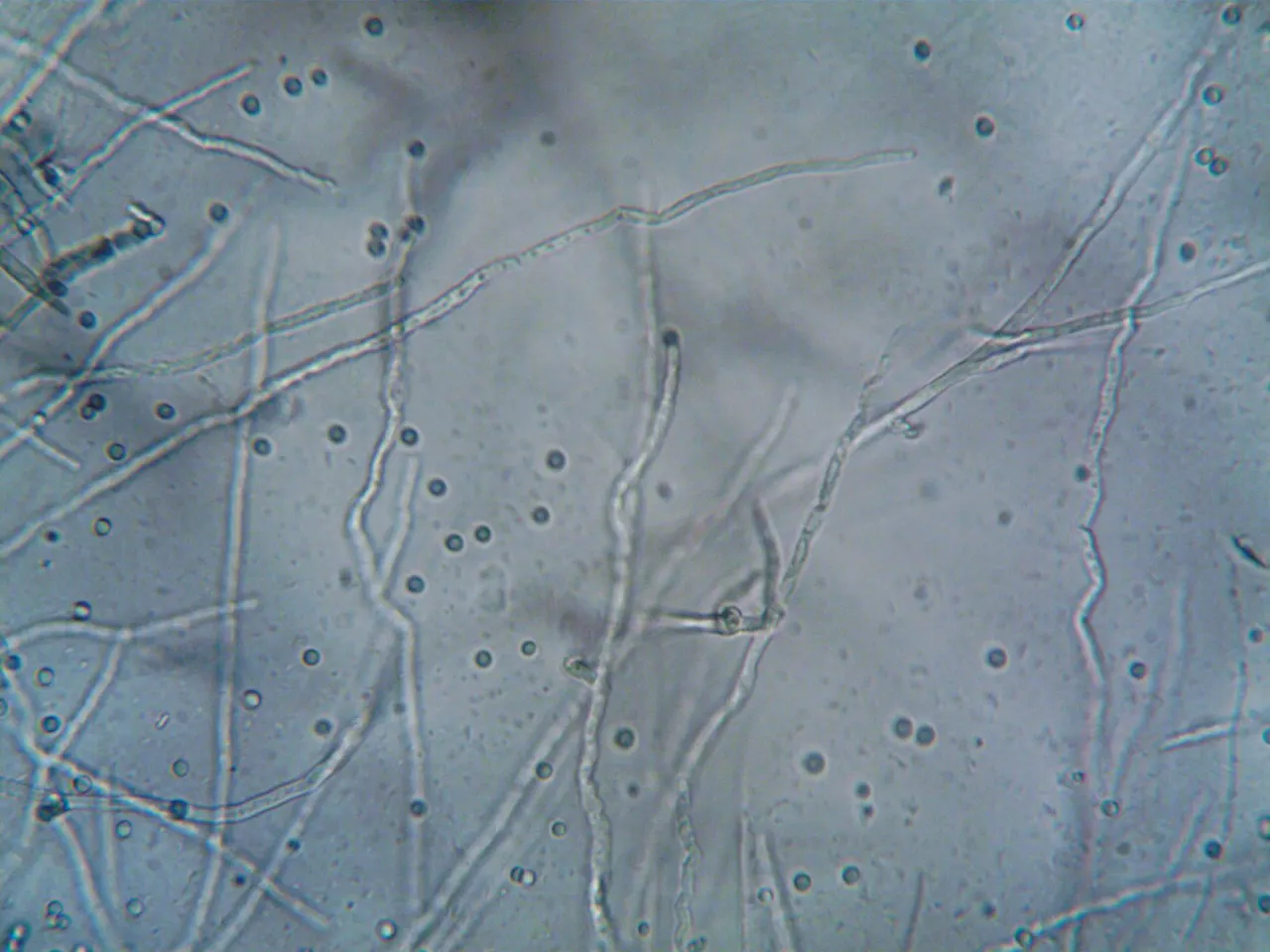
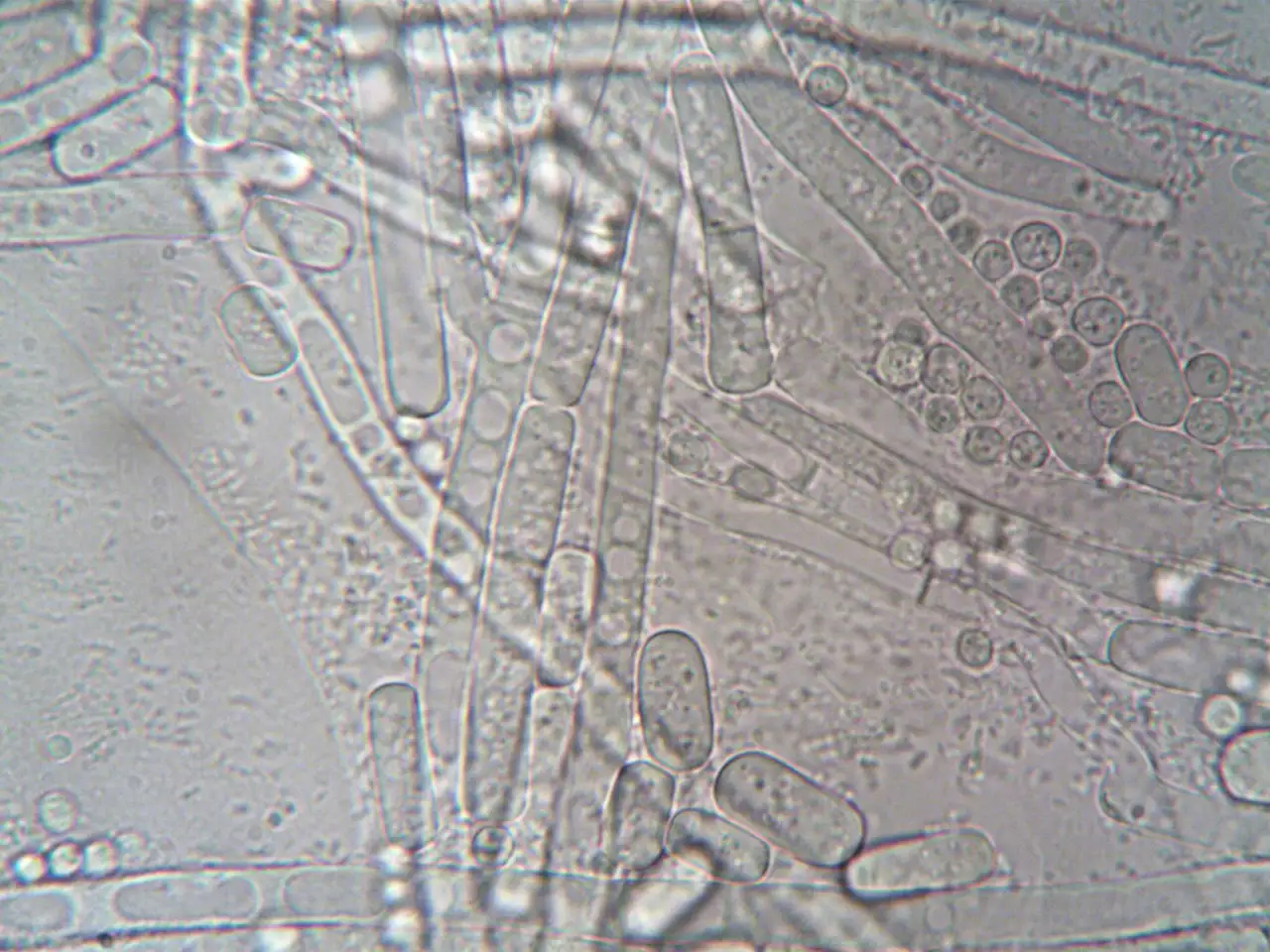
Genus identification and spore counts
Attic Mold Testing in Meridian finds mold growth in the places you never look: under insulation, around roof penetrations, and behind knee walls. If you have had a roof leak, see dark staining on sheathing, or smell something musty upstairs, we test the air and surfaces to confirm what is growing and how far it has spread. We serve homeowners, buyers, and property managers across Ada County.

Every attic mold testing job includes a full visual inspection, moisture readings, air and surface sampling, lab analysis, and a written report. We do not charge extra for photos or phone consultations. If you need additional services like thermal imaging or crawl space testing, we quote those upfront.


We test attics in Meridian homes for mold after leaks, storms, or whenever odors appear. You get lab results and a clear report for your records.
We test attic and roof systems in commercial buildings for mold that affects indoor air. Reports support maintenance planning and tenant communication.
Attic Mold Testing in Meridian is a diagnostic service that measures moisture, collects air and surface samples, and confirms whether mold is growing in your attic. We start with a moisture meter and thermal imaging camera to map wet spots, then use a boroscope to check behind insulation and framing where mold hides. Air samples run through spore trap cassettes, and surface samples go to the lab on tape lift slides. You get a written report with lab results, photos, and a clear next step.
Meridian homes take a beating from freeze-thaw cycles in winter and dry heat in summer. Both stress roof decks and attic ventilation. When warm moist air from bathrooms or kitchens hits a cold roof sheathing in January, condensation feeds black mold growth fast. We see it most after roof leaks, ice dams, or when bathroom exhaust fans vent into the attic instead of outside. If you need attic mold test near me Meridian, we schedule same-day attic mold testing Meridian for urgent cases and typically complete the full inspection in two to three hours.
We measure moisture, sample the air, and let the lab tell you what is growing.
We follow a consistent five-step process on every attic mold inspection Meridian Idaho job. You know what happens, how long it takes, and what you get at the end.
We suit up in PPE coveralls and enter the attic with a bright light and a boroscope. We check roof sheathing, rafters, insulation, and ventilation chutes for staining, fuzzy growth, or water stains. This walkthrough takes 20 to 30 minutes and tells us where to focus sampling.

Using a Delmhorst moisture meter and Protimeter pins, we read moisture levels in sheathing and framing. Normal attic wood reads 8 to 12 percent. Anything above 15 percent is a red flag. We mark wet zones and use a thermal imaging camera to find hidden moisture behind insulation.

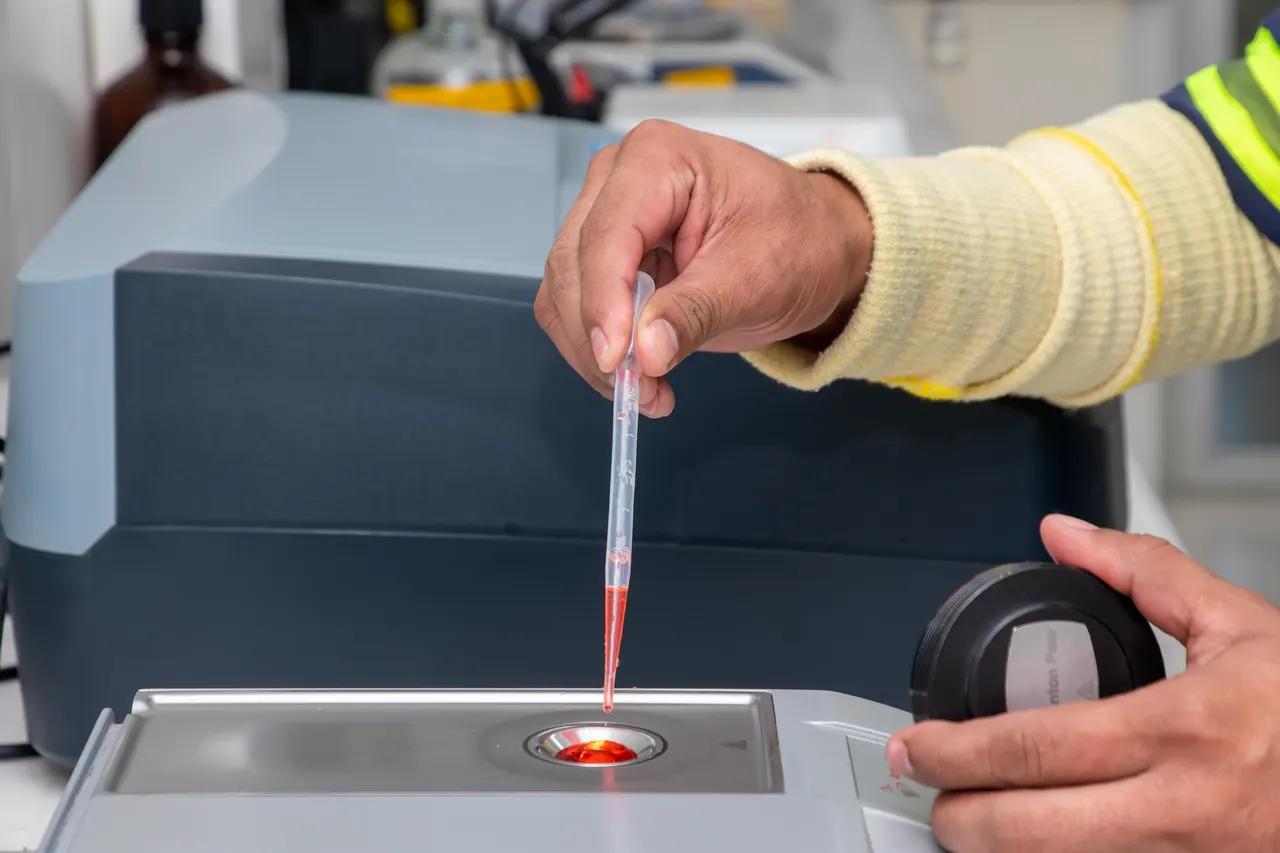
We set up an SKC air sampling pump with a Zefon Air-O-Cell spore trap cassette to capture airborne spores. For visible growth, we use surface sampling swabs or tape lift kits. Each sample is labeled, sealed, and logged on a chain of custody form for the lab.

Samples go to a certified lab that identifies mold genus and counts spores per cubic meter. Results come back in 24 to 48 hours. We compare indoor counts to outdoor baseline samples so you know if your attic is actually elevated or just normal background levels.

You get a full report with lab results, photos, moisture readings, and a plain-language summary. If mold is present, we explain the extent and recommend remediation steps. If the attic is clean, you have documentation proving it. We walk you through everything by phone or email.

Measures moisture content in wood framing and sheathing. Readings above 15 percent indicate elevated moisture and mold risk.

Detects temperature differences caused by moisture. Reveals hidden wet spots behind insulation and in framing cavities.

Collects airborne mold spores for lab analysis. Used with an SKC air sampling pump to capture a known volume of air.

Inspects behind insulation, inside wall cavities, and in tight spaces where mold hides. Provides visual confirmation of growth.
Measures relative humidity in the attic. High humidity feeds mold growth and indicates ventilation problems.

Collect mold samples from visible growth on surfaces. Tape lifts are used for dry surfaces, swabs for irregular or porous materials.

Measures airborne particle levels in the attic. Elevated counts suggest mold spores or other contaminants are present.
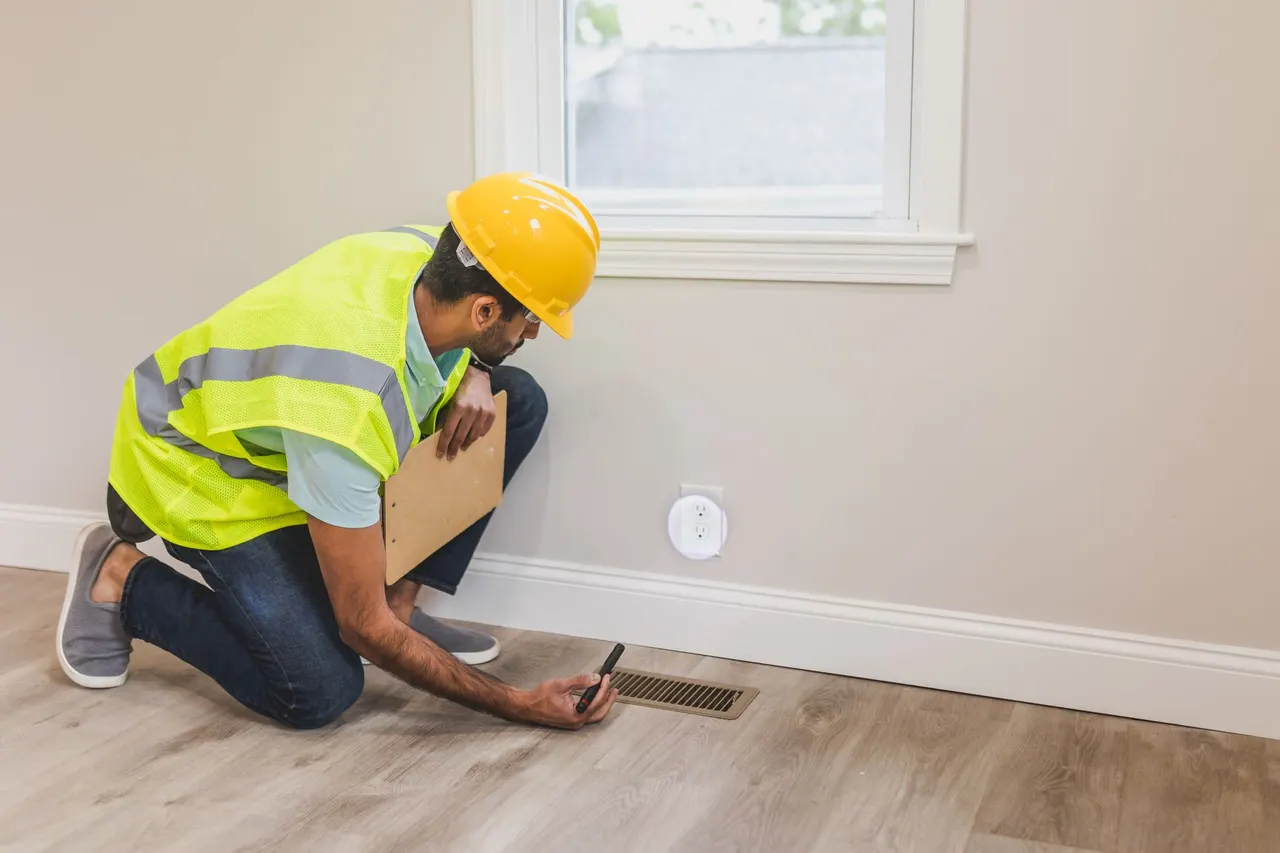
We follow the IICRC S520 standard for mold inspection and assessment. This industry standard defines how to inspect, sample, and document mold conditions. Following it ensures our reports meet professional and legal requirements.
We inspect the attic, map moisture, and collect samples from affected areas. Even if the leak was repaired, mold may have started. We confirm whether growth is present and how far it spread. You get lab results and a clear answer. If mold is found, you have documentation for remediation. If not, you have proof the attic is clean.
We perform a focused attic mold inspection with air and surface sampling. We compare indoor spore counts to outdoor baseline. Results are delivered fast for real estate deadlines. You know exactly what you are buying. The report supports negotiation or gives you confidence to proceed.
We trace odors using thermal imaging and moisture meters. Attic mold is a common cause of upstairs musty odors. We test the attic and adjacent spaces to locate the source. The odor source is identified and documented. You can fix the problem instead of masking it with air fresheners.
We inspect and test the attic, document conditions, and provide a report. If mold is present, the report guides remediation. If not, you have documentation for your records. You have a professional report that protects you and addresses tenant concerns. Maintenance decisions are based on facts.
Meridian's climate creates specific mold risks. Winter freeze-thaw cycles stress roof decks, and poor attic ventilation traps moisture. Summer heat bakes attics, but the damage started months earlier. We see mold most often in homes built before 1990 with inadequate venting, and in newer homes where bathroom fans vent into the attic instead of outside. After a roof leak or ice dam, mold can start in 24 to 48 hours. We prioritize same-day attic mold testing Meridian for these cases. Whether you are in Southeast Meridian ID or Downtown, we bring the same process: inspect, measure, sample, and document. Our reports meet Idaho state mold inspection license requirements and are accepted by real estate agents, lenders, and remediation contractors across Ada County.
A homeowner noticed a water stain on the ceiling after a January ice dam. The attic had visible black mold growth on sheathing near the leak. Moisture readings were 22 percent. The homeowner was worried about health effects and remediation costs.
We tested the attic and confirmed Stachybotrys growth with elevated spore counts. The report documented the extent and guided remediation. After cleanup and roof repair, clearance testing showed spore counts back to normal. The homeowner had documentation for insurance.
Keep gutters clear, install ice guards on the roof edge, and check the attic after every major storm. Annual inspections catch small leaks before mold starts.
A family in a newer Tuscany home complained of musty odors in the upstairs hallway. The attic had no visible mold, but moisture readings were elevated near the bathroom. The bathroom fan was venting directly into the attic space.
We tested the attic and found early mold growth on sheathing near the fan exhaust. The report documented the venting issue and recommended rerouting the duct. After the fix and remediation, follow-up testing confirmed the attic was clean.
Check that all exhaust fans terminate outside the roof or wall. In winter, run the fan for 20 minutes after showers to clear moisture.
A buyer's inspection noted dark staining in the attic. The seller claimed it was just water staining. The buyer needed documentation before closing. The deal was at risk.
We performed attic mold testing and lab analysis. Results showed no active mold growth, just old water stains from a repaired leak. The buyer got a clean report and the deal closed on time. The seller avoided unnecessary remediation costs.
Keep the report for future reference. If you sell again, the documentation proves the attic was tested and clean.
Attic mold causes musty odors, health symptoms, and expensive damage. We test to confirm the problem so you can fix it correctly. Here are the most common issues we solve for Meridian homeowners.
We test attic air and surfaces to confirm mold growth. Once confirmed, you can remediate and eliminate the odor at its source. We also check ventilation to prevent recurrence. Persistent musty smells make bedrooms uncomfortable and can trigger allergies. The odor often traces back to attic mold that you cannot see from the living space.
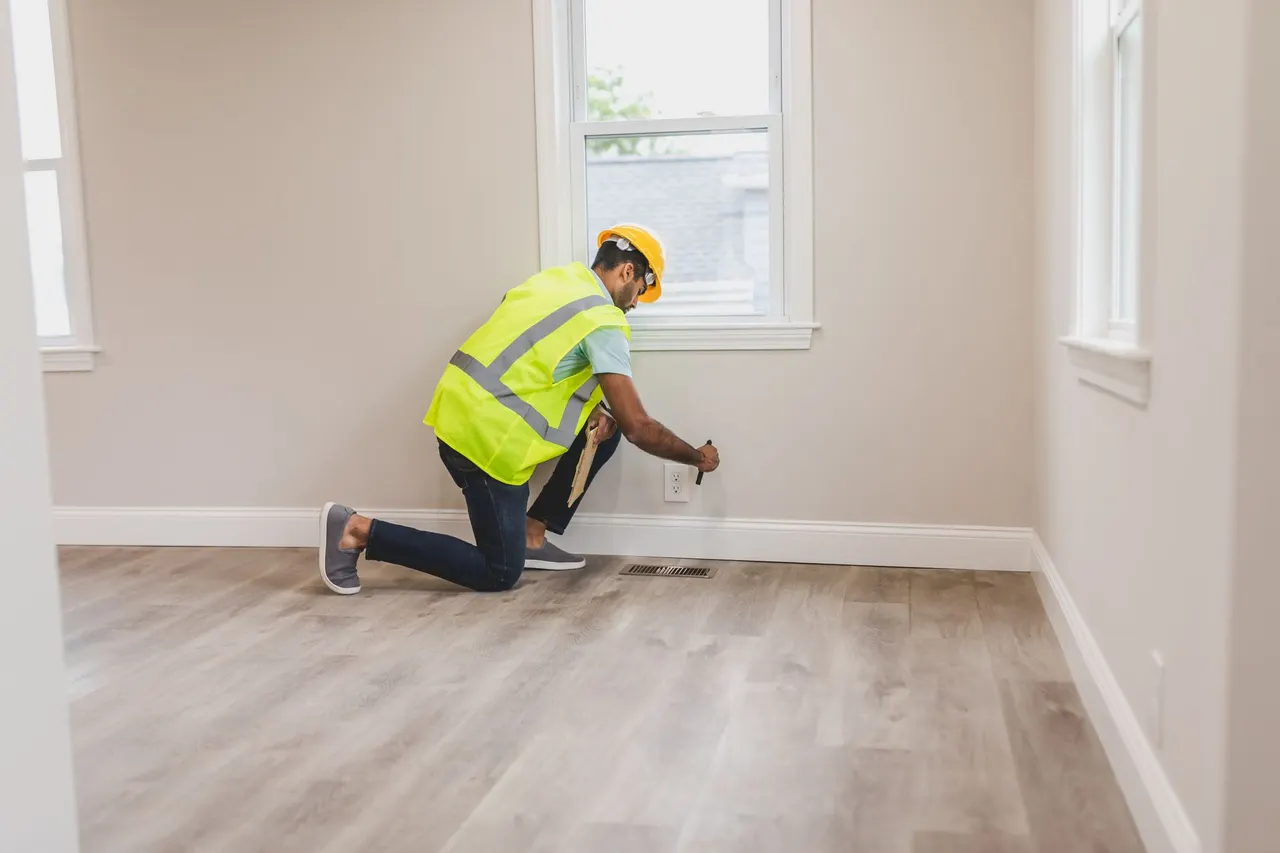
We sample the stained areas to determine if mold is active. Lab results tell you if it is black mold growth or just water staining. This guides whether remediation is needed. Staining on roof sheathing often indicates mold or water damage. Ignoring it lets mold spread through framing and insulation, increasing remediation costs.

We perform attic mold testing after roof leak Meridian ID to check for hidden growth. Early detection catches mold before it spreads. We document findings for insurance or warranty claims. Even a small roof leak can introduce enough moisture to start mold growth within 48 hours. If the leak was fixed but the attic was never tested, mold may still be growing.

We test the attic for mold and check where the fan vents. If venting is the cause, we document it in the report so you can correct the ductwork. This solves the moisture problem at its source. Bathroom exhaust fans that terminate in the attic dump moisture-laden air into a cold space. This creates perfect conditions for mold growth on sheathing and framing.
Lab results tell you exactly what is growing and how much. You will not pay for remediation you do not need, and you will not ignore a problem that is already spreading. We identify the mold genus and spore count so your next step is based on facts, not guesses.
Attic mold shows up in home inspections and kills deals. A clean test report from a qualified inspector gives buyers confidence and gives you documentation if you sell. We provide lab-backed results that stand up to scrutiny from real estate agents and buyers.
Mold needs moisture. We use moisture mapping sensors and a hygrometer to trace water to its source, whether that is a roof leak, a venting issue, or high indoor humidity. Fixing the source is the only way to stop mold from coming back after cleanup.
Musty odors in bedrooms and hallways often trace back to attic mold. Once we confirm the problem and you remediate, that smell goes away. We also test air quality before and after so you can see the difference in spore counts.
Clear records you can keep and share.
Genus identification and spore counts
Images of visible growth and moisture readings
Plain-language findings and next steps
Mold needs moisture. Testing finds both the mold and the moisture source. Without fixing the source, mold returns after cleanup.
Dark stains on sheathing are not always mold. Lab testing confirms what is growing. This prevents unnecessary remediation.
Air samples capture spores floating in the attic. Surface samples confirm growth on materials. Both are used together for a complete picture.
Mold can start within 24 to 48 hours of a leak. Testing early catches problems before they spread. Waiting increases remediation costs.

Outside these areas? Call and we will let you know if we can help. (208) 823 1178
Most attic mold testing in Meridian costs between $300 and $600 depending on the number of samples and attic size. A basic inspection with two air samples runs around $350. Adding surface samples or thermal imaging increases the price. We give you a flat quote before we start, so there are no surprises.
We use a moisture meter and thermal camera to find wet areas, then collect air samples with a Zefon Air-O-Cell cassette and surface samples with tape lifts or swabs. Samples go to an accredited lab for genus identification and spore counts. You get a written report with results in 24 to 48 hours.
Meridian Mold Testing provides attic mold detection Meridian ID services for homeowners, buyers, and property managers. We are independent inspectors, not remediators, so our results are unbiased. Call us at (208) 823 1178 to schedule an inspection or ask about same-day availability.
Yes. Attic mold testing after roof leak Meridian ID is one of our most common calls. Mold can start growing within 24 to 48 hours of a leak. We test the affected area and surrounding framing to see how far moisture traveled. Early testing catches problems before they spread through insulation and drywall.
If you smell something musty, see staining in the attic, or just had a roof leak, do not wait. Mold spreads fast. Call Meridian Mold Testing at (208) 823 1178 to schedule your inspection. We offer same-day appointments for urgent cases and flat-rate pricing with no surprises.
Call us at (208) 823 1178 or email [email protected] to schedule your inspection. We answer calls Monday through Friday from 8:00 AM to 6:00 PM. If you reach us after hours, leave a message and we will call you back first thing the next morning.